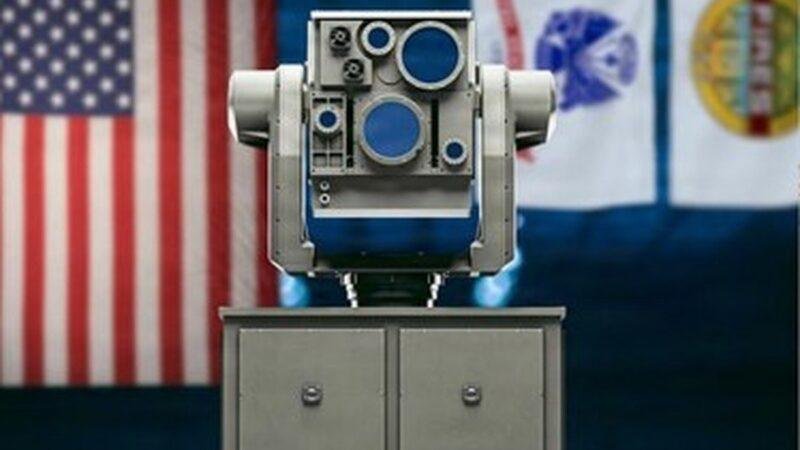
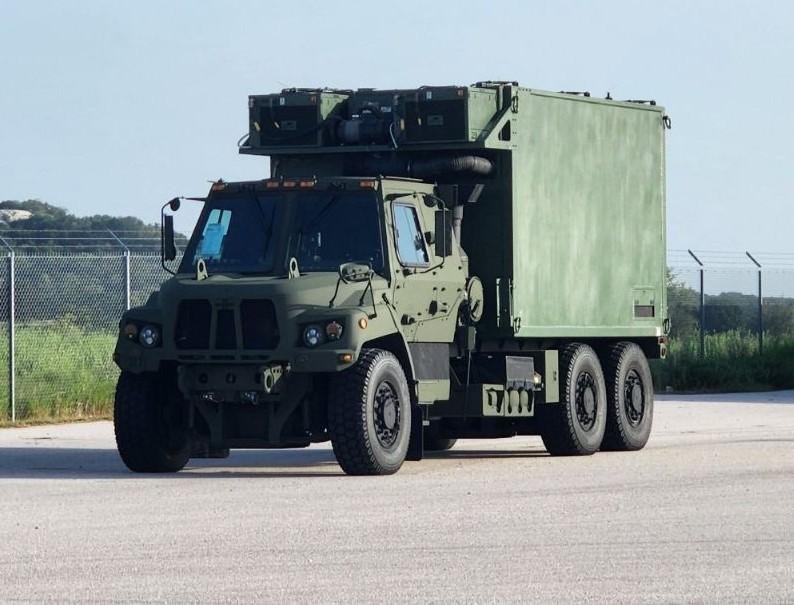
The U.S. Army is moving TITAN production forward after years of prototyping, awarding a combined $192 million to Palantir Technologies and Anduril Industries for eight additional Tactical Intelligence Targeting Access Node ground stations.
The new order covers four TITAN Advanced and four TITAN Basic systems, with delivery expected over the next 18 months. Palantir received approximately $127 million for production and delivery, while Anduril received a separate $65 million award covering the ruggedized vehicle hardware and shelter integration.
The number of systems is relatively small, and what makes the announcement more significant is the transition behind it. TITAN has spent several years in prototype development and soldier testing, and the Army is now moving the AI-enabled intelligence system into production.
Table of Contents
TITAN Production Moves Beyond the Prototype Phase
The latest TITAN production order follows a multiyear development effort built around direct feedback from soldiers operating prototype systems in different configurations and environments. In 2024, the Army selected a Palantir-led team for a $178.4 million prototype maturation agreement covering 10 TITAN systems, beating out RTX for the work. Anduril was part of that team and took responsibility for hardware design, development and manufacturing across the prototype fleet.
The first TITAN prototype reached Joint Base Lewis-McChord in July 2024, and later that year the Army’s 1st Multi-Domain Task Force became the first operational unit issued a TITAN Advanced prototype.
By June 2026, the Army said TITAN had completed developmental testing and prototype acquisition, positioning the program for procurement. Its own roadmap called for rapid prototyping to wrap in fiscal 2026, followed by an initial production award. The September award is that next step.
What Is the Army’s TITAN System?
TITAN stands for Tactical Intelligence Targeting Access Node, and calling it simply an “AI targeting system” misses much of what the platform actually does. The Army describes TITAN as an AI-enabled, expeditionary and maneuverable intelligence ground station designed to receive information from sensors operating across several layers of the battlefield, including:
- Space-based sensors
- High-altitude sensors
- Aircraft and unmanned aerial systems
- Terrestrial sensors
- Geospatial intelligence
- Signals intelligence
The objective is to pull information from those different sources together, process it and provide actionable targeting information to fires command-and-control networks while also supporting broader situational awareness.
The Army’s 2024 acquisition portfolio says TITAN is intended to reduce sensor-to-shooter timelines, correlate targets from multiple sensor feeds and reduce the cognitive burden on intelligence analysts through AI and machine learning. In other words, TITAN is less about collecting one new type of intelligence than about making the enormous amount of intelligence already being collected useful quickly enough to matter.
Palantir and Anduril Split the TITAN Work
Palantir is the prime contractor for the new production agreement. Its approximately $127 million award covers production and delivery of the eight systems, integration of additional technologies, and fielding to operational Army units.
Army Contracting Command awarded the prime agreement to Palantir USG, a wholly owned Palantir subsidiary that will lead overall production and supply the software, with L3Harris Technologies, Sierra Nevada Corporation, Strategic Technology Consulting and World Wide Technology providing supporting capabilities.
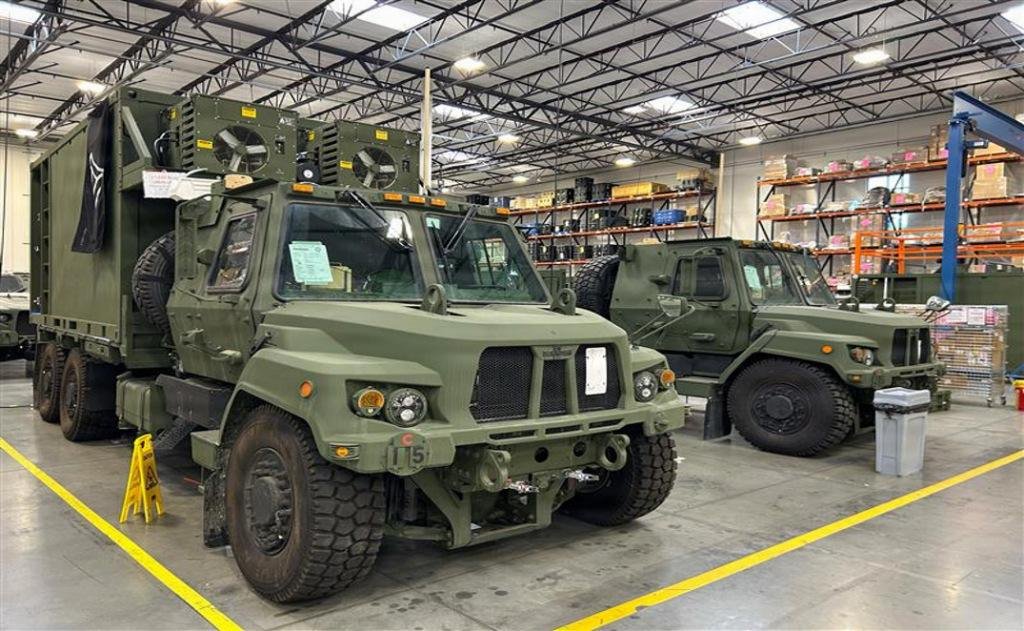
The four Advanced systems provide greater processing and integration capability, while the four Basic systems are built around increased mobility and rapid deployment. Anduril’s approximately $65 million portion covers turning that computing and software capability into hardware capable of operating with soldiers in the field.
According to the company, Anduril will manufacture the ruggedized, vehicle-mounted systems and integrate the power, thermal-management, control and operator subsystems needed for TITAN to function in demanding environments.
That Palantir-Anduril relationship is not new. When the team was selected for the prototype maturation phase in 2024, Anduril was already responsible for hardware design, development and scaled manufacturing across the 10 prototype TITAN vehicles.
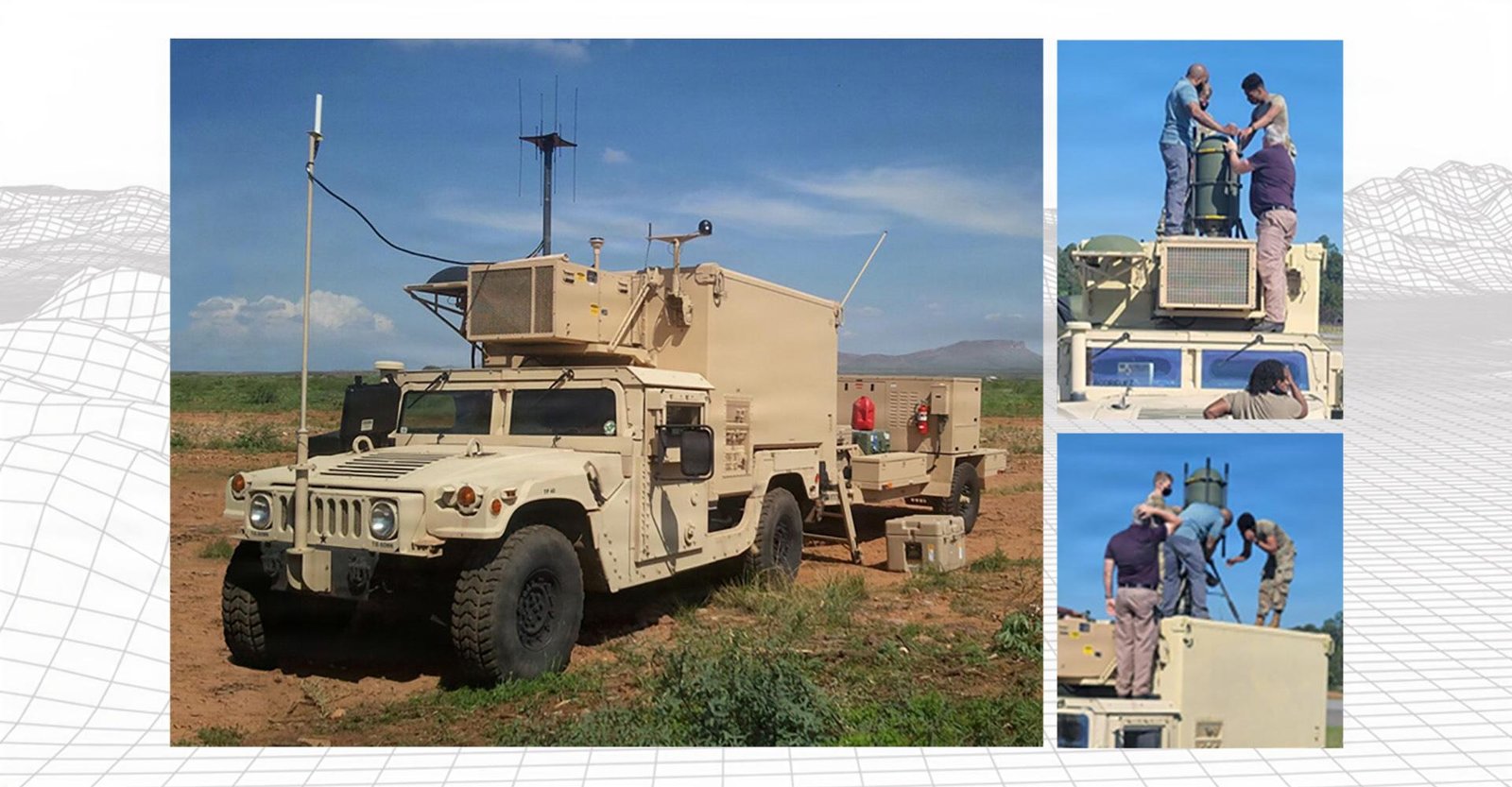
Of those, half have been fielded on the medium tactical vehicle, three on the Joint Light Tactical Vehicle, and two on the lighter Infantry Squad Vehicle-Utility. The nine currently in operational use will continue to be sustained by Palantir alongside the new production run.
How TITAN Uses Artificial Intelligence
Artificial intelligence is central to TITAN, but its role needs to be described carefully. The Army is dealing with a battlefield in which satellites, aircraft, drones and ground systems can generate far more intelligence than individual analysts could realistically examine manually in real time.
TITAN uses AI and machine learning to help process that data, filter out irrelevant information, correlate feeds from different sensors and identify higher-probability target nominations.
Army product manager Maj. Dell Barnes described the problem to reporters using a basket of needles: instead of forcing an analyst to inspect every needle individually, AI can help eliminate those that do not match the required characteristics and present a much smaller set for the analyst to examine.
The goal is not simply more AI for its own sake. It is less time between sensing something and providing useful information to the commander who must decide what to do about it.
A Human Still Reviews Target Nominations
One important distinction in the TITAN program is where the human sits in the targeting process. According to Army officials, TITAN’s AI can filter intelligence and generate higher-probability target recommendations, but an analyst remains responsible for approving or rejecting a target nomination before that information is sent to a fires unit.
There will “always be a human on the loop” in the target identification and nomination workflow, with the analyst serving as the approving authority before information moves to a commander for a decision.
Maj. Dell Barnes, U.S. Army TITAN product manager
That makes TITAN an AI-assisted intelligence and targeting system, rather than a system that independently decides which target should be attacked. The distinction will remain important as artificial intelligence takes on a larger role in military intelligence and command-and-control networks.
TITAN Connects Sensors From Space to the Battlefield
The real significance of TITAN production becomes clearer when the system is viewed as part of a much larger network. A future targeting chain might begin with a satellite identifying activity far beyond the range of a ground unit, while an airborne intelligence platform contributes another sensor picture, an unmanned aircraft adds further information, and ground-based sensors supply signals intelligence.
Those streams may come from entirely different systems built by different manufacturers, and TITAN is intended to help bring them together.
The Army describes the platform as supporting Multi-Domain Operations, Joint All-Domain Operations and Long-Range Precision Fires, with the ability to receive data from space, high-altitude, aerial and terrestrial sensors. That makes the ground station effectively one of the connective layers between a sensor finding something and the fires network capable of responding to it.
TITAN Is Also Connecting With Army NGC2
TITAN’s production transition is happening while the Army is rebuilding another part of its digital battlefield architecture: Next Generation Command and Control, or NGC2. During Project Convergence Capstone 6, Army officials said distributed TITAN systems were able to combine geospatial and signals intelligence and exchange targeting data through the developing NGC2 environment.
There is another Anduril connection here. In June, the Army selected Anduril to lead the NGC2 common data baseline while maintaining its partnership with Palantir. The Army says Anduril’s Lattice and Palantir’s Foundry will contribute to the edge-to-cloud data mesh supporting the architecture, alongside Raft’s data registries and federation tools.
TITAN and NGC2 remain separate programs, but the broader direction is increasingly clear: the Army is trying to connect sensors, intelligence processing, command-and-control systems and weapons through a shared digital architecture rather than treating each as an isolated platform. TITAN sits directly inside that transformation.
The pairing has not been without friction. An internal Army memo reported in October 2025 described early NGC2 security controls as “very high risk,” citing gaps in visibility over user activity and software assurance.
Anduril and Palantir both said the issues identified reflected an earlier stage of development rather than the current state of the program. It is a useful reminder that the Army’s AI-enabled architecture is still being stress-tested even as individual programs like TITAN move into production.
FAQ: TITAN Production
How many TITAN systems is the U.S. Army buying?
The current TITAN production order covers eight new systems: four TITAN Advanced and four TITAN Basic variants. The Army expects delivery over approximately 18 months, joining the nine prototypes already fielded and sustained by Palantir.
How much are Palantir and Anduril receiving?
The two awards total approximately $192 million. Palantir received about $127 million for production and delivery, while Anduril received about $65 million for vehicle hardware and shelter integration.
Does TITAN autonomously choose targets?
Army officials say a human analyst remains in the target-identification and nomination process. TITAN can use AI and machine learning to filter sensor data and generate recommendations, but an analyst approves or rejects target nominations before they are passed to fires units.
Looking Ahead
The eight-system award begins the next phase of TITAN production rather than completing the program. The Army expects the four Advanced and four Basic systems to arrive over approximately the next 18 months, and officials have indicated that additional production awards are expected in fiscal 2027.
The Army is also exploring a more vehicle-agnostic approach to future TITAN production after testing the system across medium tactical vehicles, Joint Light Tactical Vehicles and the lighter Infantry Squad Vehicle-Utility, which could eventually let commanders select different vehicle configurations depending on the unit and mission.
Long-range strike programs face a similar standoff-versus-integration tradeoff. The Navy’s proposed Silent Anvil torpedo is wrestling with a comparable question of how to fit new sensing and targeting technology onto existing platforms rather than building bespoke ones.
The more consequential question for TITAN production will be what happens once larger numbers of systems reach operational formations. TITAN has already demonstrated the Army’s concept of using AI to help connect sensors from space, air and land with targeting networks.
The production phase will test whether that concept can become a repeatable battlefield capability rather than remaining primarily a prototype demonstration, and whether the security concerns raised around NGC2 get resolved before the two architectures are that deeply linked.
The Aviation Diary will continue tracking TITAN production, Army NGC2 development, and Anduril and Palantir’s growing roles in the service’s connected battlefield architecture.
Sources
- Palantir / Business Wire announcement
- DefenseScoop — Army’s TITAN Platform Moving Into Production Phase
- Defense Daily
- U.S. Army — First TITAN Ground Station Prototype Delivered at JBLM
- U.S. Army NGC2 announcement
- Anduril — TITAN program background