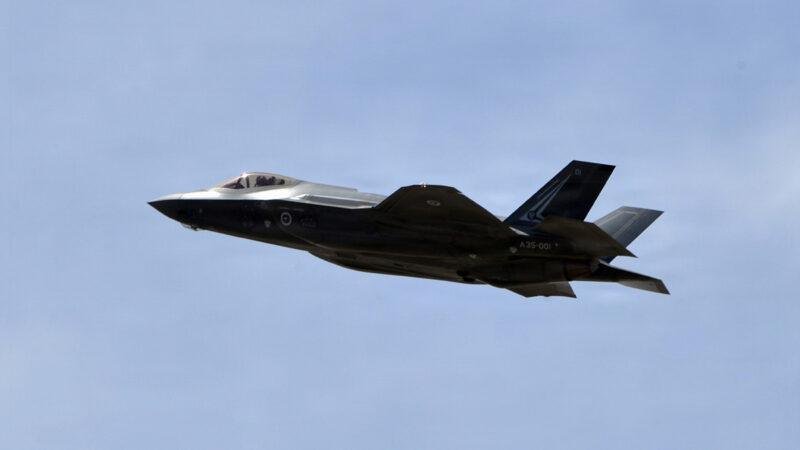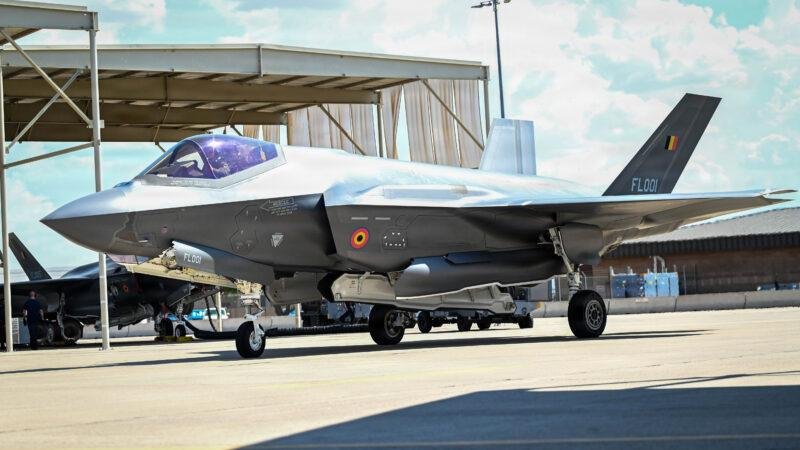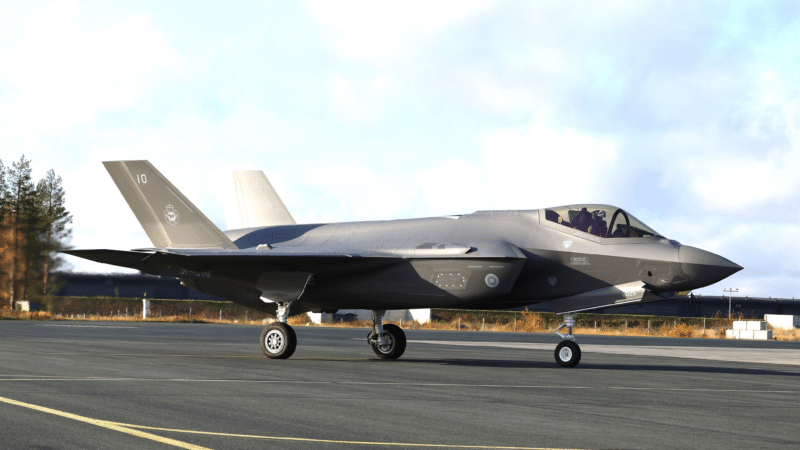
F-35 parts from a Royal Australian Air Force fighter jet reportedly ended up in Chinese custody after a shipment was unexpectedly routed through Hong Kong in May 2026. According to a Bloomberg investigation published on October 7, a missed shipping warning may have contributed to the diversion, raising questions about export-control compliance and the security of international military aviation supply chains.
The shipment contained a cockpit canopy and weapons-bay door from a Royal Australian Air Force F-35A. Both components reportedly carried radar-absorbing material associated with the aircraft’s stealth capabilities. They were being transported to the United States for inspection and possible repair or disposal.
New reporting published on October 7, 2026, suggests a missed shipping warning may have contributed to the diversion. The findings raise questions about export-control compliance, communication between logistics companies and the security of military aviation supply chains.
Table of Contents
F-35 Parts Shipment Diverted Through Hong Kong
The F-35 parts shipment originated in Australia in late May 2026 and was destined for the United States. According to Bloomberg, UPS was transporting the components from an Australian military aircraft to San Francisco for further assessment.
The planned transportation route included South Korea and Taiwan, both defense partners of the United States. However, the consignment was reportedly delayed while departing Australia. Its route was subsequently changed to include Hong Kong in an effort to recover lost delivery time.
Chinese authorities subsequently took possession of the components, according to people familiar with the matter cited by Bloomberg. The shipment’s unexpected destination became public in September, prompting questions about how the cargo had passed through an unauthorized location.
Australian Defence Minister Richard Marles confirmed that Australia was assisting the United States and Lockheed Martin with the investigation. He said Australian authorities were examining the country’s involvement in the shipment while the broader investigation remained primarily a matter for U.S. authorities and the manufacturer.

Missed UPS Warning Raises Export-Control Questions
Bloomberg’s October 7 investigation identified a possible breakdown in communication between shipping companies. According to a person briefed on the incident, freight forwarder DSV had sent UPS an email warning that the F-35 components were subject to U.S. export-control restrictions.
The warning reportedly identified countries through which the shipment should not travel under the International Traffic in Arms Regulations, commonly known as ITAR. These regulations govern the export and handling of certain U.S. defense articles and technologies.
According to Bloomberg, a UPS employee failed to act on the warning before the shipment was rerouted. The message may have arrived through a different information system from the one used by the employee handling the shipment.
That explanation has not been established as a final investigative finding. Nevertheless, the reported sequence illustrates how a routing change intended to accelerate delivery can create significant complications when export-controlled cargo is involved.
Lockheed Martin has said it is working with logistics partners to strengthen preventive measures. The handling of F-35 parts also raises broader questions about whether shipping restrictions are independently enforced when freight moves between carriers, transportation hubs and computer systems.
Security Concerns Surround F-35 Stealth Components
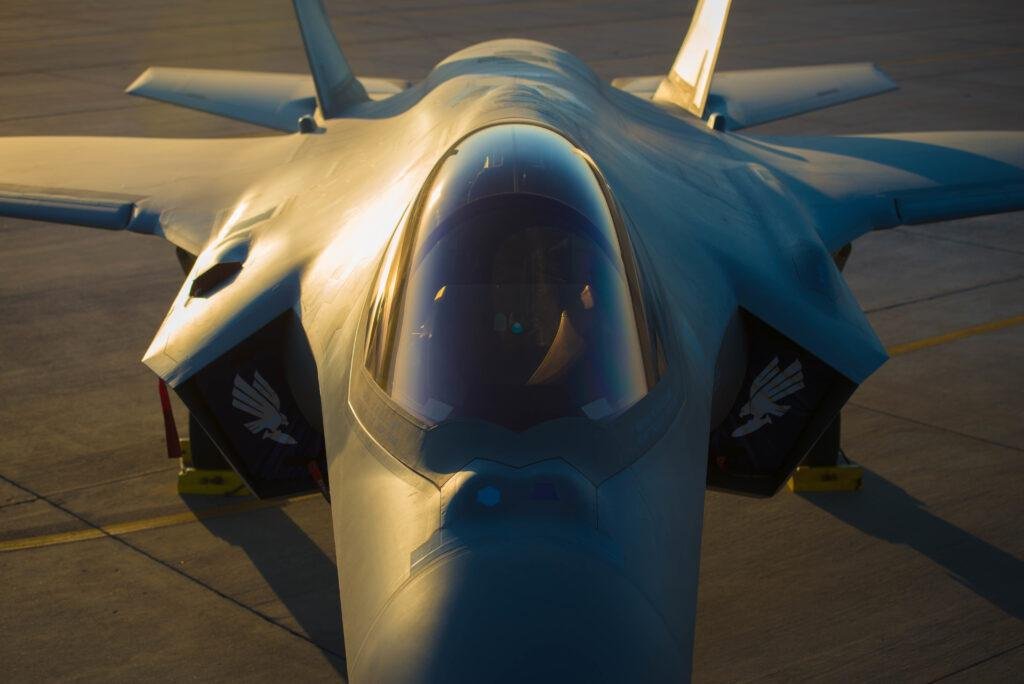
The F-35 Lightning II incorporates low-observable design features intended to reduce its detectability by radar. Radar-absorbing materials form part of that design, making the reported coatings on the diverted components relevant to the security investigation.
However, the condition and technical sensitivity of the F-35 parts remain important distinctions. The Pentagon characterized the items as unserviceable, while Lockheed Martin assessed the risk of exploitation as low.
Marles similarly indicated that Australian officials did not believe the shipment contained highly sensitive equipment. Those assessments do not eliminate concerns about unauthorized possession, but they also do not establish that advanced stealth technology has been compromised.
U.S. authorities are investigating the incident and seeking the return of the components. Congressional scrutiny has also focused on the procedures used to transport military equipment through international commercial logistics networks.
The broader F-35 sustainment program already faces challenges involving spare parts, contractor oversight and international support arrangements. A June 2026 U.S. Government Accountability Office report identified continuing sustainment risks, although those findings did not establish the cause of this particular shipping incident.
The central issue is therefore not simply whether the missing components contain exploitable technology. It is whether the existing transportation process provides sufficient control over where sensitive military equipment travels and who can access it.
FAQ: F-35 Parts Shipment
Which F-35 components were diverted?
The shipment reportedly contained a cockpit canopy and weapons-bay door from a Royal Australian Air Force F-35A Lightning II. Both were described as unserviceable components.
Why was the shipment routed through Hong Kong?
Bloomberg reported that the shipment was delayed and rerouted to accelerate delivery. A UPS employee allegedly missed an email warning against the route.
Did China obtain classified F-35 technology?
Chinese authorities reportedly obtained the components, but there is no publicly established evidence that classified stealth technology was successfully extracted from them.
Looking Ahead
The investigation is expected to focus on how the shipment was authorized, why its route changed and whether communications between freight companies adequately identified export restrictions.
The return of the F-35 parts remains an important unresolved issue. Any confirmed recovery, regulatory findings or changes to transportation procedures would represent a significant development for the international military aviation supply chain.
Sources
- Bloomberg — UPS Worker Missed Security Email, Letting China Get F-35 Parts (October 7, 2026)
- Bloomberg — China Is Holding F-35 Parts Diverted to Hong Kong (September 23, 2026)
- ABC News Australia — Defence Minister Confirms Investigation (September 22, 2026)
- AeroTime — UPS Missed Warning Before F-35 Parts Reached China (October 8, 2026)
- U.S. Government Accountability Office — F-35 Sustainment Challenges (June 11, 2026)