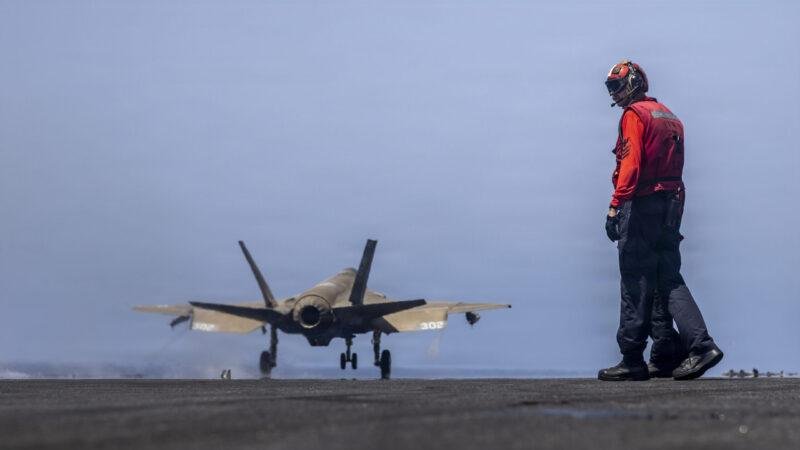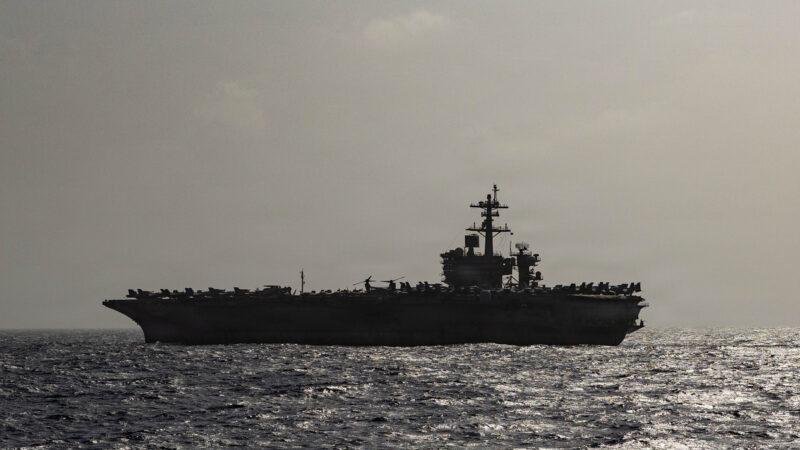
F-35C USS Abraham Lincoln launch operations are featured in newly released U.S. Central Command (CENTCOM) footage, showing a U.S. Marine Corps F-35C Lightning II launching from the aircraft carrier USS Abraham Lincoln (CVN 72) while operating in the Arabian Sea. CENTCOM tied the release directly to the ongoing U.S. naval blockade of Iran, offering a rare look at carrier flight operations behind one of the region’s most consequential ongoing military campaigns.
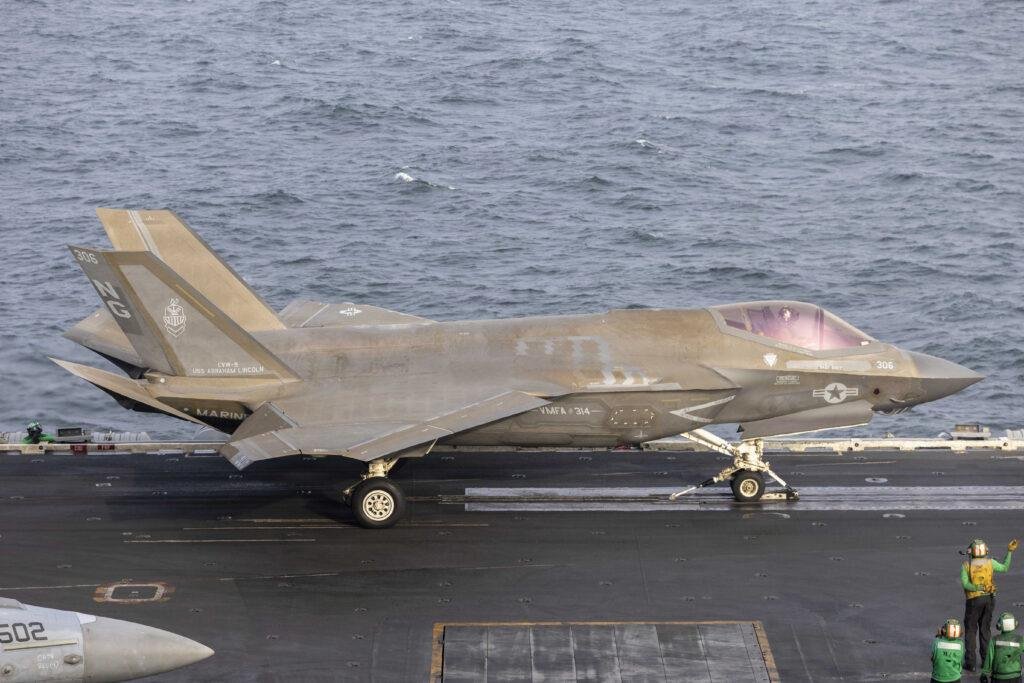
The footage, released by CENTCOM on August 2, shows a Marine Corps F-35C assigned to VMFA-314 “Black Knights” launching from Abraham Lincoln as the carrier transits the Arabian Sea in support of the blockade, which the U.S. imposed on Iran in mid-April 2026 amid ongoing regional tensions.
Table of Contents
F-35C USS Abraham Lincoln Launch Captured on Video
The newly released video shows a U.S. Marine Corps F-35C Lightning II assigned to Marine Fighter Attack Squadron (VMFA-314) preparing for launch aboard USS Abraham Lincoln. After final checks by the flight deck crew, the aircraft accelerates down the carrier’s catapult before lifting into the sky over the Arabian Sea.
The launch sequence demonstrates the demanding coordination required between pilots, maintainers and flight deck crews during carrier operations. Every launch is carefully choreographed to safely generate combat airpower from one of the world’s most capable aircraft carriers, which has now spent months sustaining blockade operations off Iran’s coast.
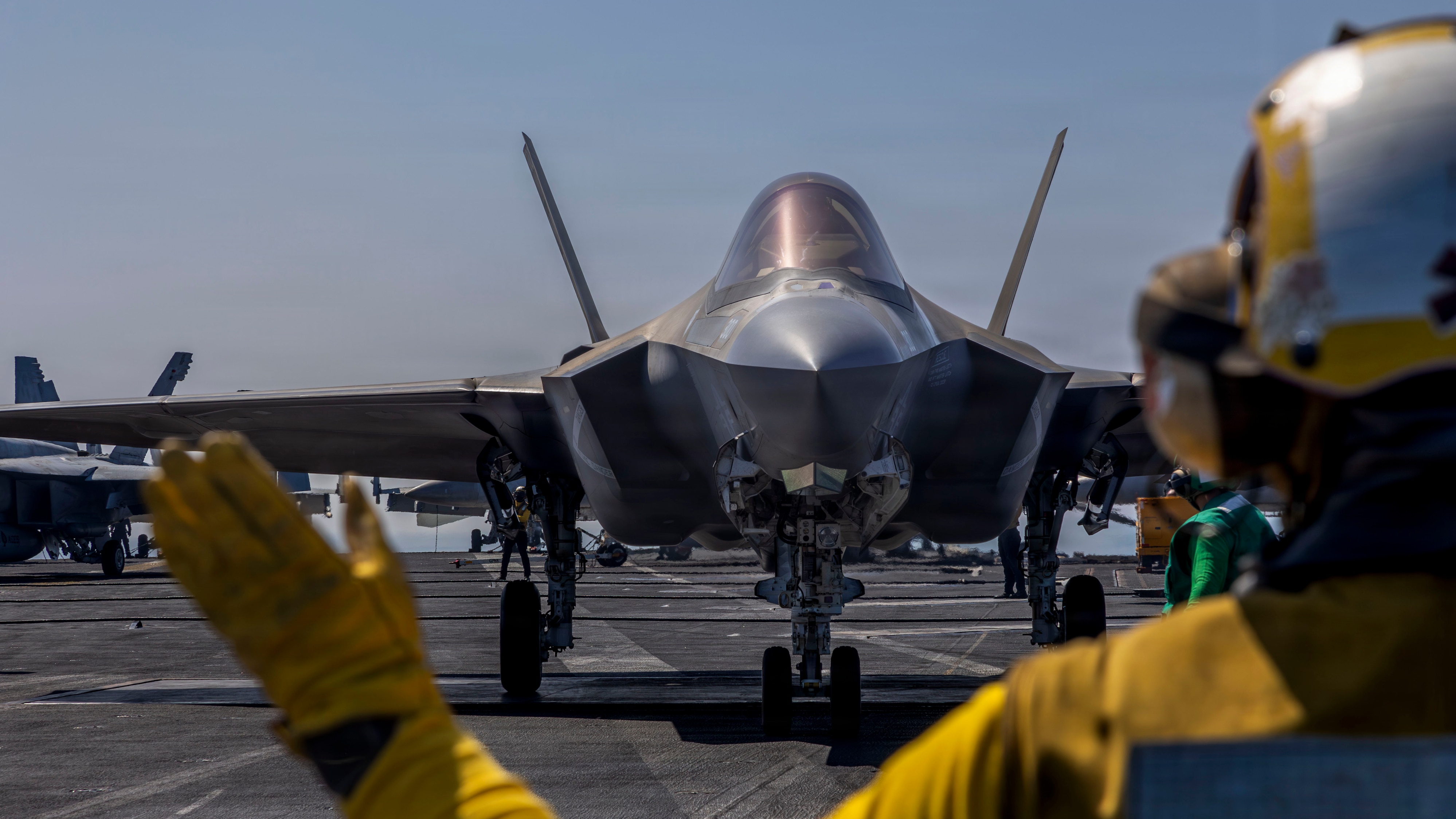
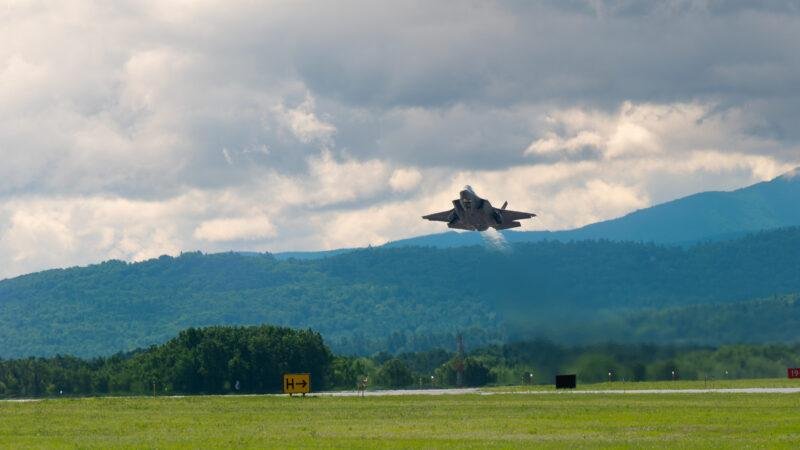
Fifth-generation stealth fighters remain central to how carrier strike groups project airpower across the Middle East.
CENTCOM Ties Launch to Iran Blockade Operations
CENTCOM released the F-35C footage as part of a broader operational update on the U.S. blockade against Iran, which has been in effect since mid-April 2026 following the breakdown of earlier negotiations. Abraham Lincoln and its strike group have remained on station in the Arabian Sea enforcing the blockade for months.
According to the command, as of August 2, U.S. forces enforcing the blockade had:
- Redirected 35 commercial vessels
- Disabled 2 vessels
- Boarded 2 vessels
CENTCOM has not detailed the specific circumstances surrounding the disabled or boarded vessels. The figures are part of the command’s regular reporting on blockade enforcement, which has continued to climb in subsequent updates as the operation persists.
Why the F-35C Matters
The F-35C USS Abraham Lincoln launch also highlights the growing importance of fifth-generation aircraft in carrier strike group operations.
Unlike the F-35A used by the U.S. Air Force or the short takeoff and vertical landing F-35B operated by the Marine Corps, the F-35C was specifically designed for aircraft carrier operations. It features:
- Larger folding wings for improved lift
- Reinforced landing gear for catapult launches
- A strengthened tailhook for arrested landings
- Increased internal fuel capacity
- Longer operational range over maritime environments
These capabilities allow the aircraft to conduct air superiority, strike, intelligence, surveillance and reconnaissance missions while remaining difficult to detect thanks to its stealth design.
Operating from USS Abraham Lincoln, Marine Corps F-35Cs provide additional flexibility alongside Navy aircraft assigned to the carrier air wing, giving Carrier Strike Group 3 stealth strike capability throughout the blockade.
USS Abraham Lincoln Continues Regional Deployment
USS Abraham Lincoln (CVN 72) is one of the U.S. Navy’s Nimitz-class aircraft carriers and serves as the flagship of Carrier Strike Group 3, embarked with Carrier Air Wing (CVW) 9. The F-35C USS Abraham Lincoln pairing gives the strike group eight stealth fighters alongside F/A-18 Super Hornets, EA-18G Growlers, E-2D Hawkeyes, MH-60 helicopters and CMV-22B Ospreys.
Since the blockade began, the strike group has routinely supported:
- Combat air patrols
- Intelligence, surveillance and reconnaissance missions
- Vessel interdiction and boarding operations
- Regional deterrence
- Rapid response during emerging crises
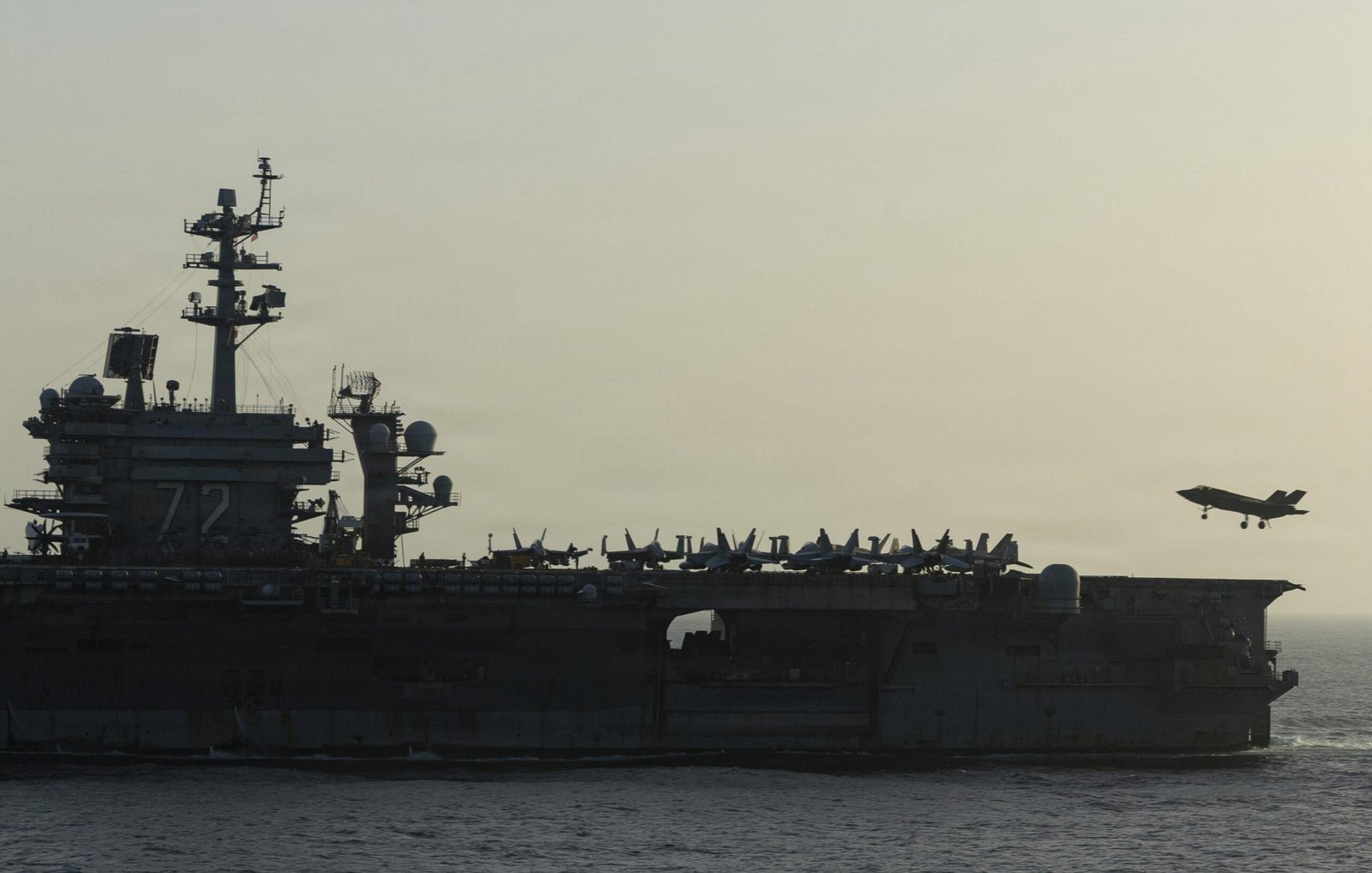
The latest footage illustrates how aircraft carriers continue to provide the United States with flexible, forward-deployed combat capability, even as the character of this particular mission has shifted from an open-ended strike campaign to a sustained blockade.
Why the Aircraft Looks Weathered
Some viewers who saw CENTCOM’s video on social media noted that the F-35C appeared heavily weathered and questioned whether the aircraft showed signs of rust.
However, aviation experts generally consider the appearance consistent with normal carrier operations rather than evidence of structural corrosion.
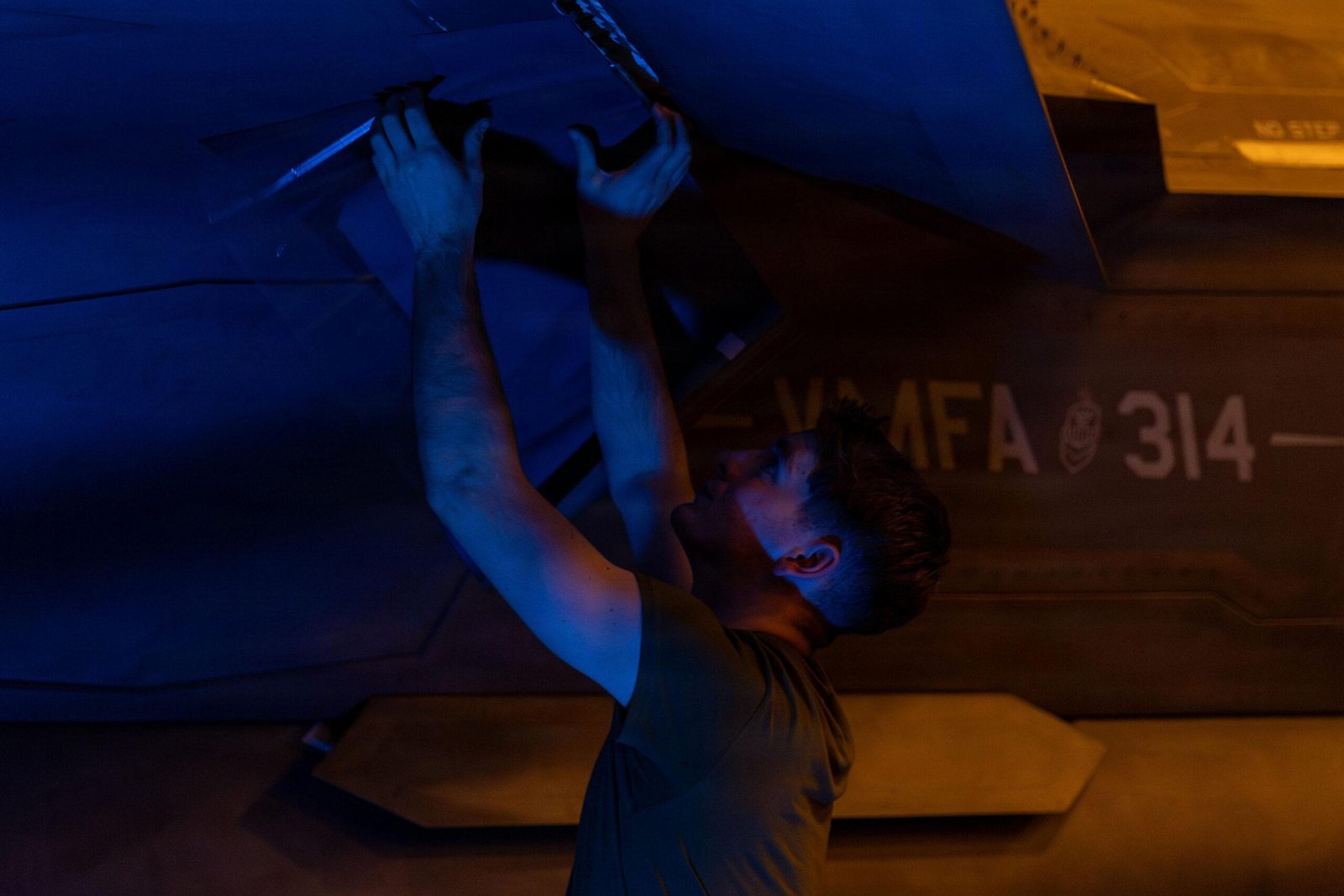
Carrier-based aircraft operate in one of the harshest environments in military aviation. Constant exposure to salt spray, humidity, hydraulic fluids, jet exhaust, catapult launches and arrested recoveries naturally causes staining, fading and discoloration over time — and this aircraft has been operating almost continuously since the blockade began in April.
The F-35’s radar-absorbing coatings also weather differently than conventional military paint, producing noticeable variations in color across the aircraft’s surface. Navy maintenance crews routinely inspect airframes for corrosion between deployments, and the released footage and official imagery show no obvious sign of it here.
Watch the Video
CENTCOM’s video provides aviation enthusiasts with a close look at carrier flight deck operations as an F-35C Lightning II launches from USS Abraham Lincoln during blockade operations in the Arabian Sea.
A U.S. Marine Corps F-35C stealth fighter jet launches from USS Abraham Lincoln (CVN 72) as the aircraft carrier transits the Arabian Sea and supports the U.S. blockade against Iran. As of Aug. 2, CENTCOM has redirected 35 commercial vessels, disabled 2, and boarded 2.
— U.S. Central Command (@CENTCOM) August 2, 2026
FAQ: F-35C Carrier Operations
What makes the F-35C different from the F-35A and F-35B?
The F-35C is the carrier variant, built with larger folding wings, reinforced landing gear, and a strengthened tailhook to handle catapult launches and arrested landings — features the land-based F-35A and the short-takeoff F-35B don’t need.
Why did CENTCOM release this F-35C footage now?
CENTCOM published the video alongside its regular update on the U.S. blockade of Iran, which Abraham Lincoln’s strike group has helped enforce in the Arabian Sea since mid-April 2026. The release paired the footage with the command’s latest vessel-interdiction figures.
Why does the F-35C look weathered instead of freshly painted?
Constant exposure to salt spray, jet exhaust, and catapult launches naturally fades and stains carrier aircraft over time. It’s a normal cosmetic effect of extended deployment, not a sign of structural damage.
Looking Ahead
The F-35C USS Abraham Lincoln launch footage demonstrates the continuing importance of carrier aviation in sustaining the U.S. blockade against Iran and supporting broader U.S. military operations throughout the Middle East. As long as the blockade continues, fifth-generation aircraft like the F-35C will remain central to U.S. naval power projection and maritime interdiction missions in the region.
The Aviation Diary will continue covering developments involving CENTCOM, the U.S. blockade of Iran, U.S. Navy carrier operations, the F-35 Lightning II program, and other major military aviation stories.
Source
- U.S. Central Command (CENTCOM) — original video release, Aug. 2, 2026
- CENTCOM — F-35C launch photo, VMFA-314, USS Abraham Lincoln
- DVIDS — USS Abraham Lincoln blockade operations photo, NAVCENT Public Affairs