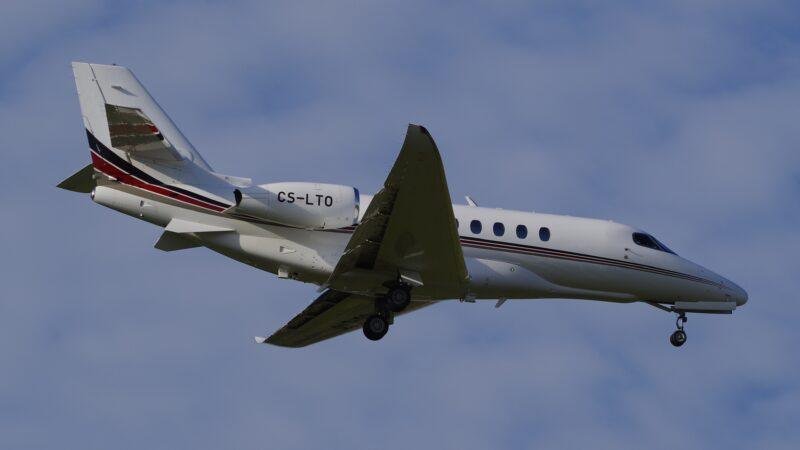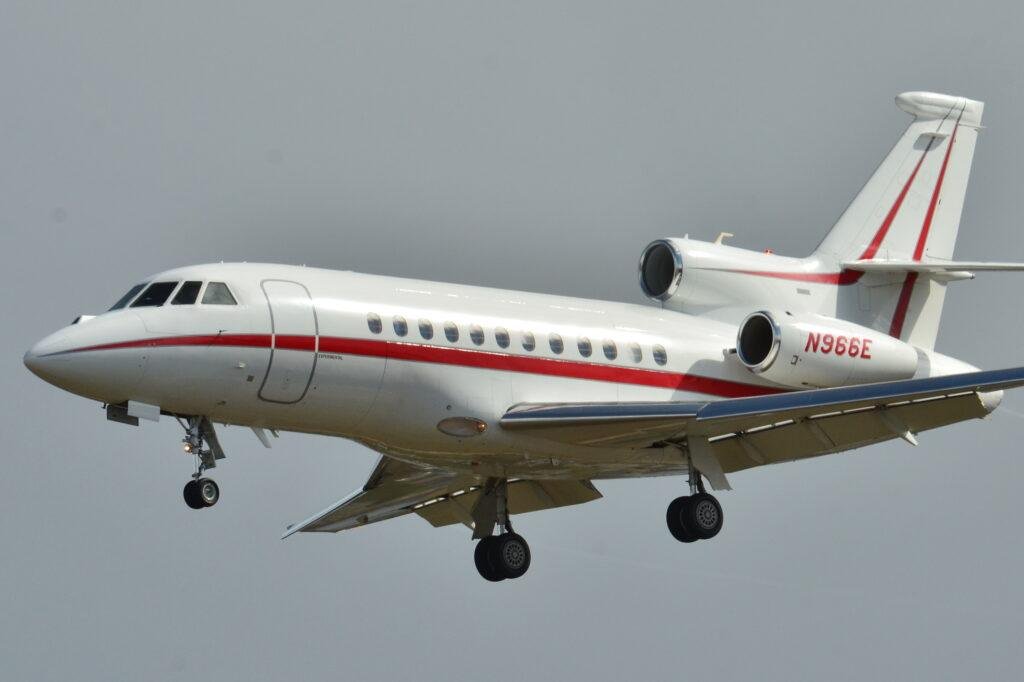
Honeywell business forecast estimates call for 9,950 new business jet deliveries over the next decade, according to the aerospace company’s 35th annual Global Business Aviation Outlook released Oct. 19. Honeywell also projects the global business aviation fleet will expand by approximately 29%, reflecting its expectations for aircraft demand, utilization and changing ownership models.
The forecast was issued ahead of the NBAA Business Aviation Convention and Exhibition and examines how the industry could develop through the middle of the next decade. Its figures are predictions based partly on operator surveys and market modeling, not firm manufacturer orders or a guaranteed production schedule. Analysts and aircraft buyers should keep that distinction in view.
Table of Contents
What the Honeywell Business Forecast Measures
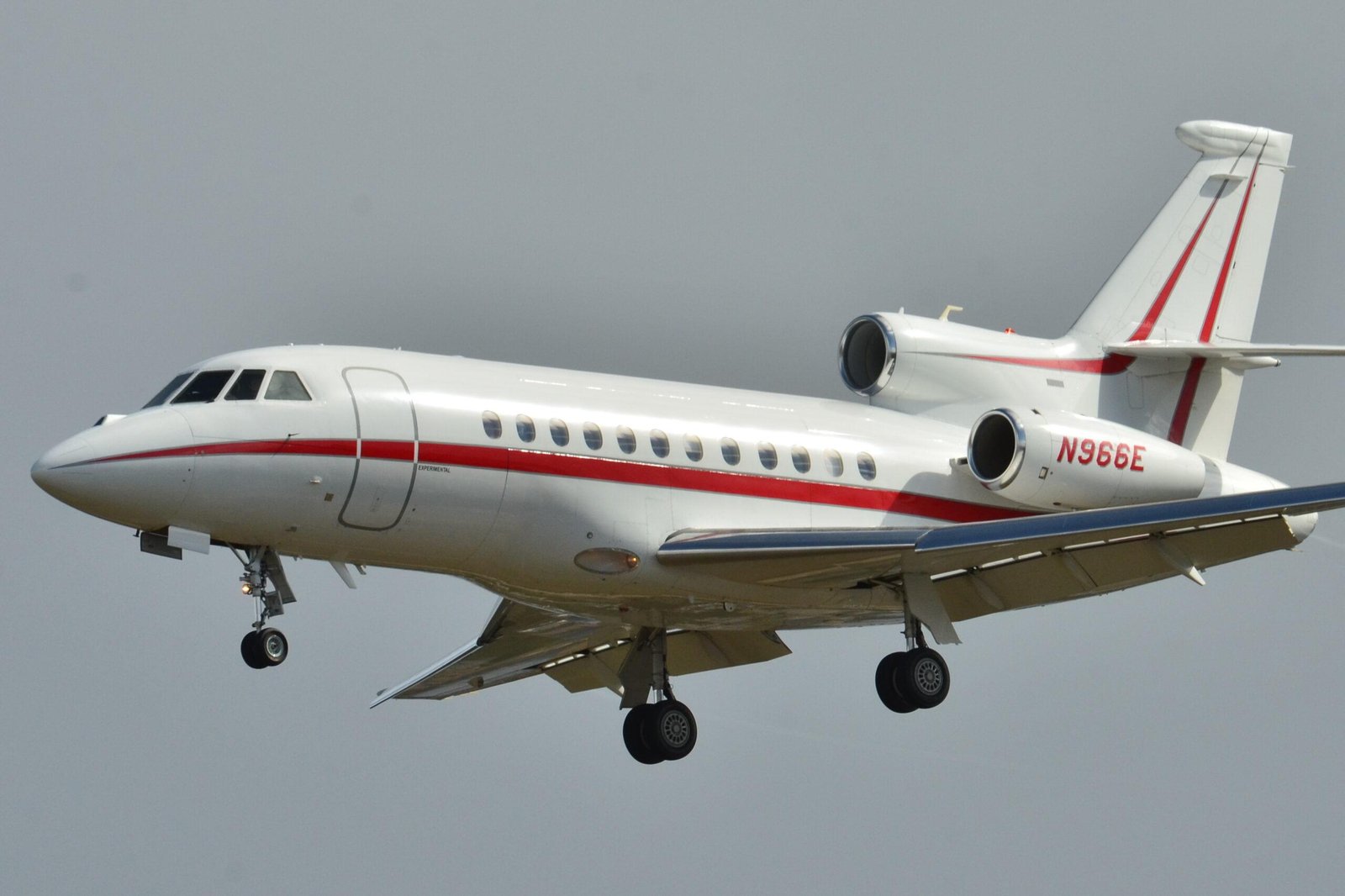
Honeywell’s main headline estimate is 9,950 business jet deliveries across the coming ten-year period, which it says is 4.4% above the comparable figure in last year’s forecast. The company also discussed approximately 4,200 turboprop deliveries as part of its broader examination of business aviation. Because the scope of the research has been expanded, not every number can be compared directly with older editions without reviewing the definitions.
The outlook considers aircraft utilization as well as purchases. Honeywell reports that nine in ten surveyed operators expect to fly the same number of hours or more in 2027 compared with 2026. A survey measures expectations at the time respondents answer, not actual flight activity in the future year. Events such as fuel-price changes can cause plans to be revised.
The primary announcement is available at the original source.
Why Charter and Fractional Operators Matter
Business aviation no longer consists solely of individually owned jets flown for one company or person. Fractional ownership, managed fleets and charter providers can place an aircraft into different service patterns, with multiple customers sharing access. Honeywell says these models contribute to activity and demand across the sector. The manufacturer of avionics and propulsion equipment has an interest in the size and health of that market.
The result is that deliveries, total fleet size and flying hours may change at different rates. An aircraft that flies more frequently can increase demand for maintenance services even if the number of airplanes grows more slowly. Conversely, fleet growth does not guarantee that every operator will use its aircraft more often. Those categories should remain separate in the report.
Fleet Expansion Does Not Mean Every Market Grows Equally
The estimated 29% fleet increase is a global projection, not a promise of identical expansion in every country or business aviation segment. Aircraft demand differs across light jets, large-cabin airplanes, turboprops and other categories. Local airport facilities, business activity, taxes, operating rules and supply constraints can influence whether a forecast delivery becomes a practical purchase.
Honeywell’s outlook also arrives amid geopolitical and energy-market uncertainty. Higher costs can affect aircraft utilization and buyer confidence, while other operators may still value time savings and schedule flexibility. These competing factors are precisely why a long-range forecast should be reported with caution rather than as an announcement that nearly 10,000 business jets have already been sold.
How to Test the Outlook Over Time
Manufacturer delivery data and operating fleet registrations will provide independent measures of how the industry develops. Flight activity reports can show whether actual utilization follows surveyed expectations. The outlook offers a baseline for those comparisons, but it cannot replace observations in future years.
AOPA and Aviation International News provided further reporting on the updated scope and operator-survey themes. Their accounts help explain the meaning of the forecast without turning the company’s projections into established future facts. TAD should revisit the report when a new annual edition is published and preserve consistent definitions in year-over-year comparisons.
FAQ: Honeywell business forecast
What does the Honeywell business forecast project for jets?
Honeywell estimates 9,950 new business jet deliveries during the next decade, based on its 2026 global outlook.
Does it include turboprops?
The expanded discussion also includes a forecast of roughly 4,200 turboprop deliveries, according to industry reporting.
Are these aircraft purchases already confirmed?
No. The figures are forward-looking market estimates rather than firm orders from buyers.
Looking Ahead
Future manufacturer deliveries, operator flight activity and Honeywell’s next annual forecast will indicate whether the market tracks the present outlook. The 2026 numbers should remain clearly attributed projections until actual activity can be measured.
For related TAD reporting, see Piaggio Avanti business aviation developments.
Sources