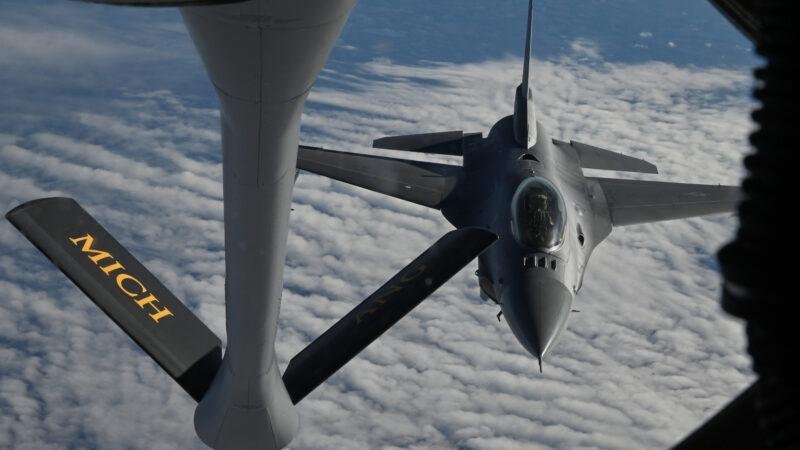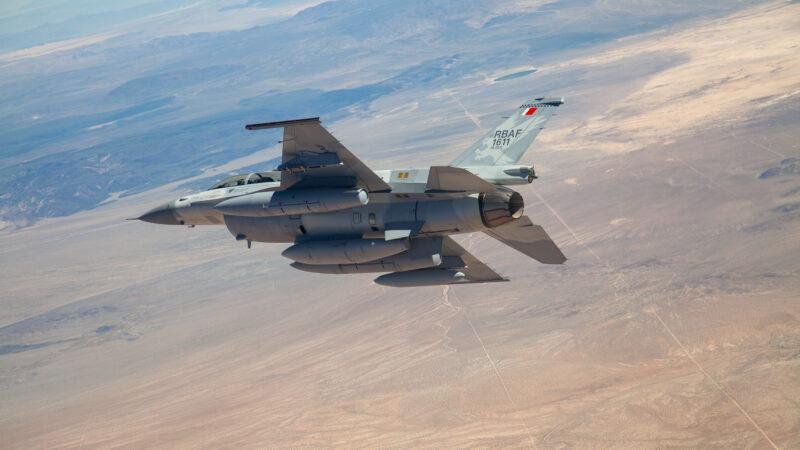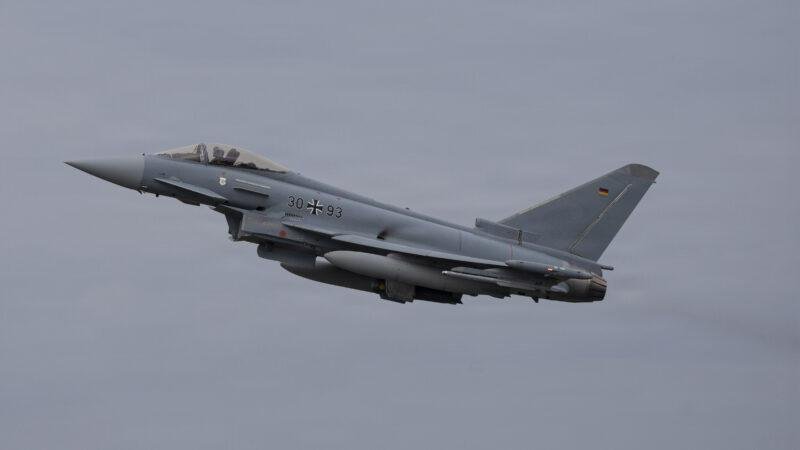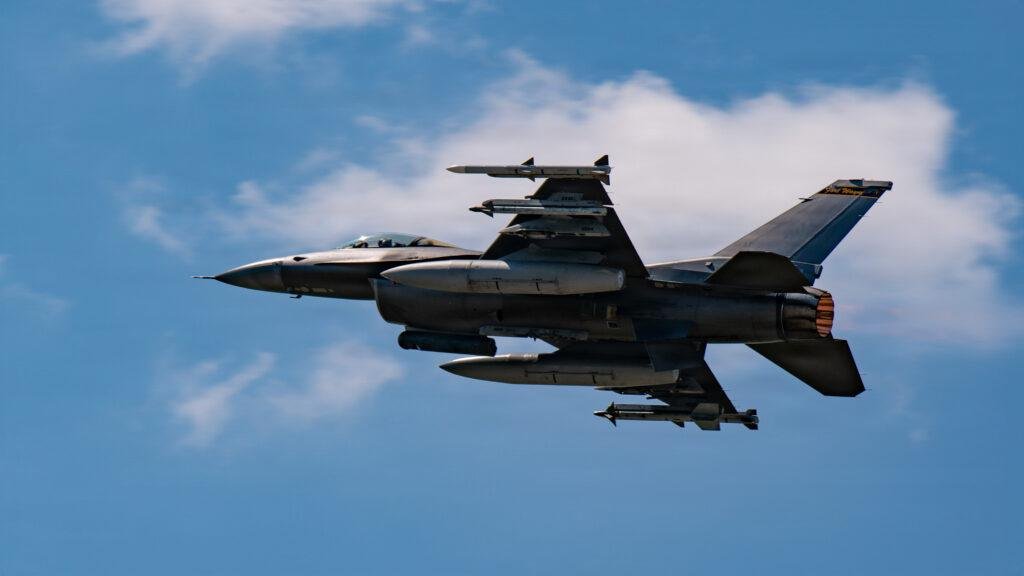
BEDMINSTER, N.J. — NORAD F-16 intercept Bedminster operations were launched on Sunday after two general aviation aircraft violated the Temporary Flight Restriction (TFR) protecting the airspace over Trump National Golf Club Bedminster, where President Donald Trump was attending the final round of the LIV Golf New York tournament.
According to the North American Aerospace Defense Command (NORAD), both civilian aircraft entered the restricted airspace on Aug. 9, 2026, prompting F-16 Fighting Falcons to intercept and safely escort them out of the area. The incidents concluded without injuries, damage, or any indication of hostile intent.
The Continental U.S. NORAD Region (CONR), headquartered at Tyndall Air Force Base, Florida, led the operation as part of its ongoing homeland defense mission.
Table of Contents
NORAD F-16 Intercept Bedminster Responds to TFR Violations
NORAD confirmed that both aircraft were intercepted after entering the FAA-issued Temporary Flight Restriction surrounding Bedminster.
“All general aviation aircraft were safely escorted out of the area by NORAD aircraft.”
Military aircraft routinely respond to unauthorized aircraft entering protected airspace surrounding sensitive locations, including areas visited by the President of the United States.
While fighter jet intercepts often attract public attention, most TFR violations involve general aviation pilots who inadvertently enter restricted airspace after missing or misunderstanding current flight restrictions.
Why the Bedminster Temporary Flight Restriction Was Active
The Federal Aviation Administration (FAA) issues Temporary Flight Restrictions (TFRs) to protect people, property, and national security during special events, presidential travel, disaster response operations, and other sensitive activities.
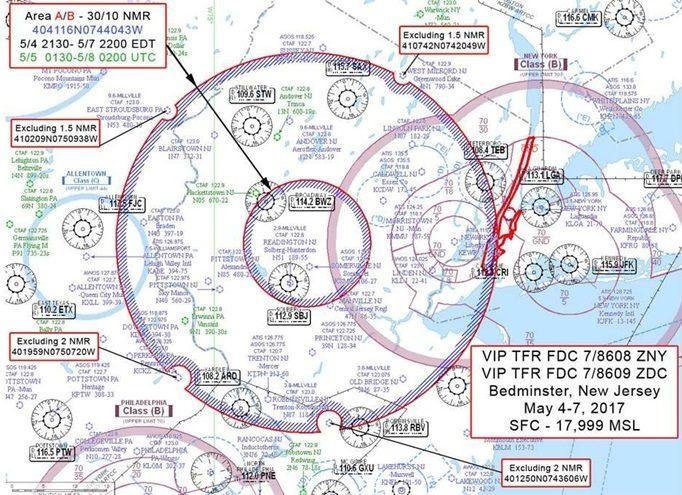
Bedminster, New Jersey, frequently becomes the center of a presidential TFR whenever the President visits his golf club there. In this case, the FAA had two “VIP”-type TFRs in effect over Bedminster from Friday, Aug. 7, through Sunday, Aug. 9, coinciding with the four-day LIV Golf New York tournament at the club. During these periods, unauthorized aircraft are prohibited from entering the restricted airspace unless they meet specific FAA requirements and have received the appropriate authorization.
Pilots are required to review Notices to Air Missions (NOTAMs) before every flight to identify active TFRs and other operational restrictions along their planned route.
NORAD F-16 Intercept Bedminster Highlights Importance of NOTAMs
Following Sunday’s incidents, NORAD reminded general aviation pilots to thoroughly review NOTAMs before departure and remain aware of any temporary airspace restrictions.
If intercepted by military aircraft, pilots should immediately tune to 121.5 MHz, the international civilian emergency frequency, or 243.0 MHz, the military emergency frequency. They should establish communication, follow all instructions from Air Traffic Control or the intercepting fighters, and reverse course if directed.
These standardized intercept procedures are designed to resolve unauthorized airspace incursions safely while protecting both civilian aircraft and national security.
How Military Aircraft Intercepts Work
When NORAD determines that an aircraft has entered protected airspace without authorization, fighter aircraft are dispatched to visually identify the aircraft and establish communication with the pilot.
Intercepting fighters may use internationally recognized visual signals, including rocking their wings or changing heading, to direct the intercepted aircraft. Pilots are expected to acknowledge these signals, follow the fighter aircraft, and comply with all instructions issued over emergency radio frequencies.
In most cases, the aircraft is simply escorted out of the restricted airspace after communication has been established.
Most TFR Violations Are Unintentional
Although presidential TFR violations receive significant media attention, the majority are not considered security threats.
Common causes include:
- Pilots failing to check the latest NOTAMs before departure.
- GPS or navigation errors.
- Misunderstanding TFR boundaries.
- Changes to restricted airspace issued shortly before a flight.
Because of these risks, the FAA and NORAD continue to remind pilots that reviewing current NOTAMs is a critical part of every preflight briefing.
NORAD Continues Homeland Defense Mission
The NORAD F-16 intercept Bedminster mission is one of many aerospace control operations conducted throughout the year to safeguard North American airspace.
Working alongside the FAA and other federal agencies, NORAD remains responsible for detecting, monitoring, and responding to unauthorized aircraft operating near sensitive locations. Sunday’s interceptions demonstrate the effectiveness of established procedures that safely resolve restricted airspace violations while maintaining national security.
Sources
- North American Aerospace Defense Command (NORAD). NORAD F-16 Fighter Aircraft Intercept Two General Aviation Aircraft Over Bedminster, New Jersey Temporary Flight Restriction (TFR). Aug. 9, 2026.
- NORAD. General Aviation Information.
- Federal Aviation Administration. Temporary Flight Restrictions (TFRs).
- Federal Aviation Administration. Notices to Air Missions (NOTAMs).