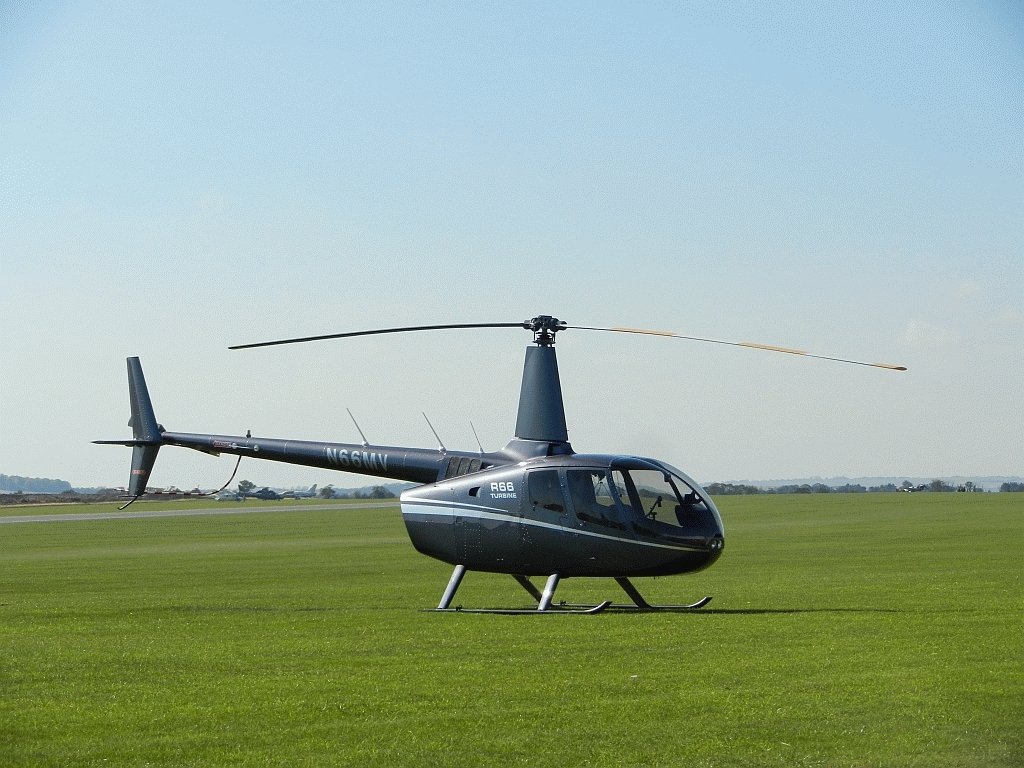
The Robinson R66 inspection interval now extends to 15 years on the calendar side, up from 12 years, the manufacturer announced Nov. 19. Robinson’s revised maintenance manual retains a separate 2,000-flight-hour threshold. The amount of extra calendar time an aircraft can use depends on its maintenance history and how much it flies.
The change matters most to operators whose helicopters spend more time parked than flying. Their aircraft can reach the age-based deadline well before they accumulate 2,000 flight hours. A helicopter that reaches the hour threshold earlier still runs up against that limit.
Table of Contents
How the Robinson R66 inspection interval changes the maintenance calendar
The November maintenance manual describes the inspection under a combined 2,000-hour and 15-year heading. The two measures account for different things: flight hours record aircraft use, while the calendar limit runs with time. A lightly used helicopter can reach the latter even when its flight-hour total remains well below the other threshold.
Under the previous calendar interval, 12 years could bring that inspection due on an aircraft that had accumulated relatively few hours. The extension can shift the point at which a qualifying owner has to plan for the work and take the aircraft out of service. An operator that reaches 2,000 hours first may see little practical change in its inspection timing.
The revised manual also addresses aircraft that previously underwent the 12-year inspection. That history matters when interpreting the new calendar language. Simply counting from the year shown on a registration or sales listing would miss the possibility that the aircraft has already undergone the relevant inspection.
Why Robinson changed the interval
Robinson attributed the change to its review of operating and maintenance experience. The company says the R66 fleet has logged more than 2.5 million flight hours since the type’s 2010 certification. That fleet-wide figure describes the volume of service experience Robinson cites, while individual aircraft history determines when a specific helicopter reaches its inspection limit.
The manufacturer framed the change as a way to reduce the ownership burden for operators that fly fewer hours each year. Moving a scheduled inspection can affect how an operator plans hangar time and budgets for maintenance. Robinson’s announcement did not provide a typical dollar saving or a standard duration for the work.
The difference for training and private aircraft
The practical effect of the Robinson R66 inspection interval depends on utilization. A private owner may encounter the calendar limit first. A flight school or other high-use operator can accumulate flight hours much faster. That difference is relevant as the model also appears in more intensive training roles, including the Army selection TAD previously covered.
The announcement concerns a specific scheduled inspection. The maintenance manual lists other tasks and component limits separately. Those obligations still need to be evaluated on their own terms, including differences tied to a component’s configuration or revision.
FAQ: Robinson R66
What changed in the Robinson R66 inspection interval?
Robinson moved the calendar threshold from 12 years to 15 years. The updated manual continues to list the 2,000-hour threshold for the inspection.
Which operators are most likely to see a difference?
Aircraft that would reach the calendar threshold before 2,000 flight hours stand to see the largest change in when the inspection comes due.
Where did Robinson publish the revised requirements?
Robinson linked the November 2026 R66 Maintenance Manual from its announcement. The manual describes the inspection and addresses aircraft that previously had the 12-year inspection.
Looking Ahead
Operators will apply the Robinson R66 inspection interval through the revised manual and their individual aircraft records. Robinson announced the calendar change and linked the relevant publication. It did not publish an average saving or a fleet-wide estimate of how many owners will immediately benefit.
Sources
- Robinson Helicopter announcement
- Robinson R66 maintenance manual, November 2026
- TAD coverage of the R66 Army trainer selection
- Featured photo credit — Waerfelu (CC BY 3.0)