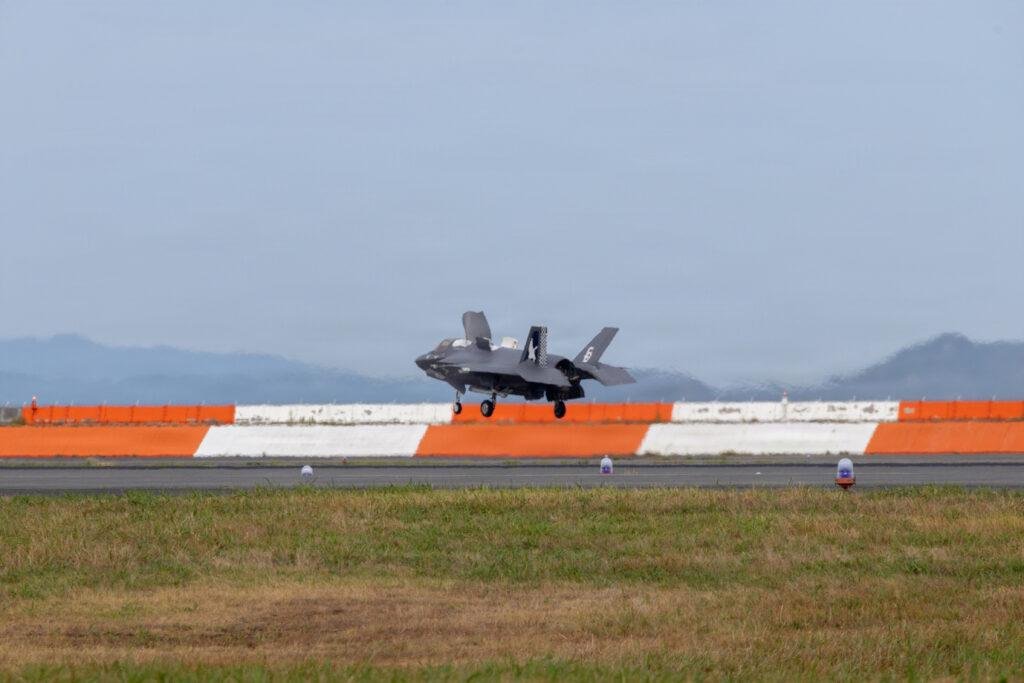
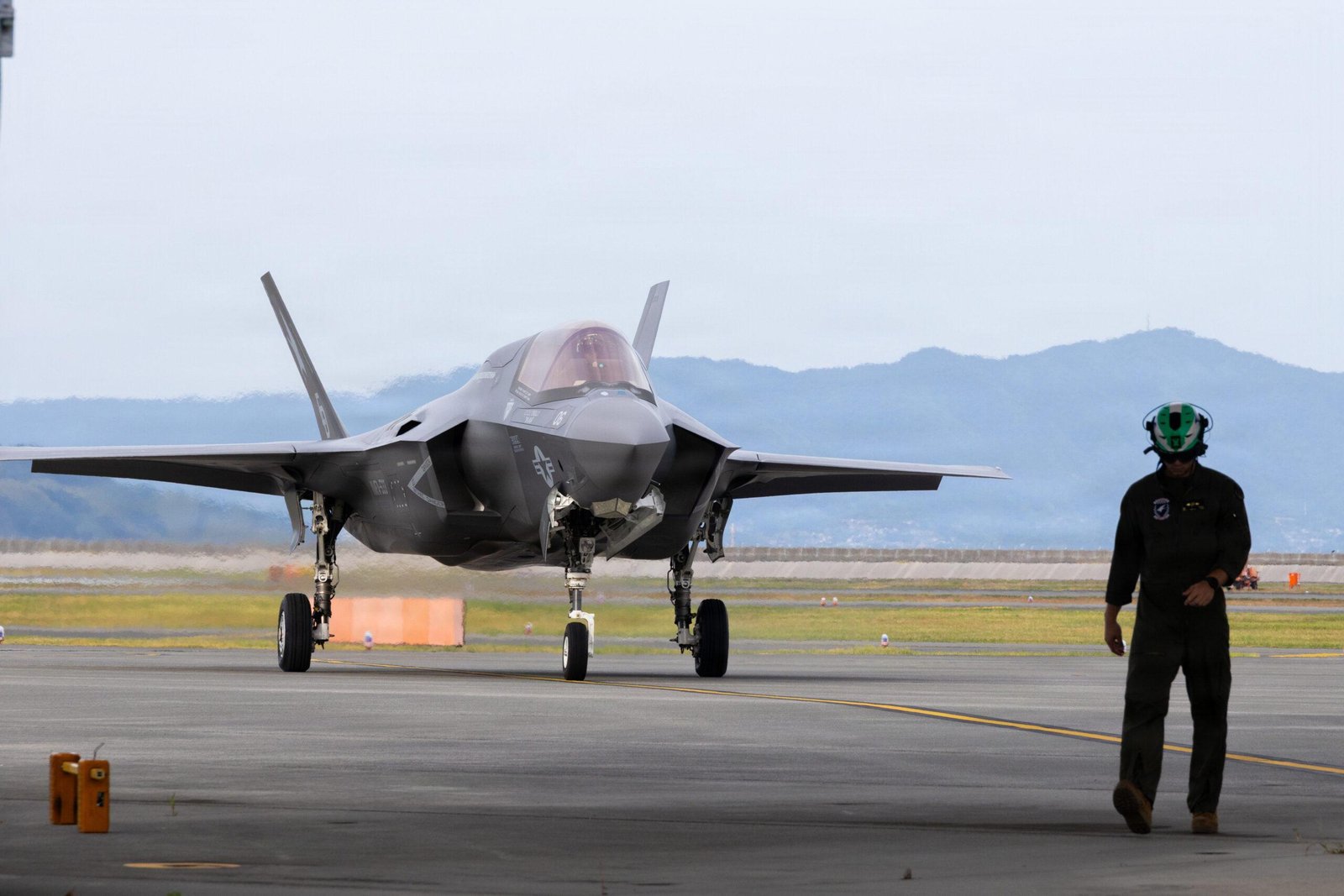
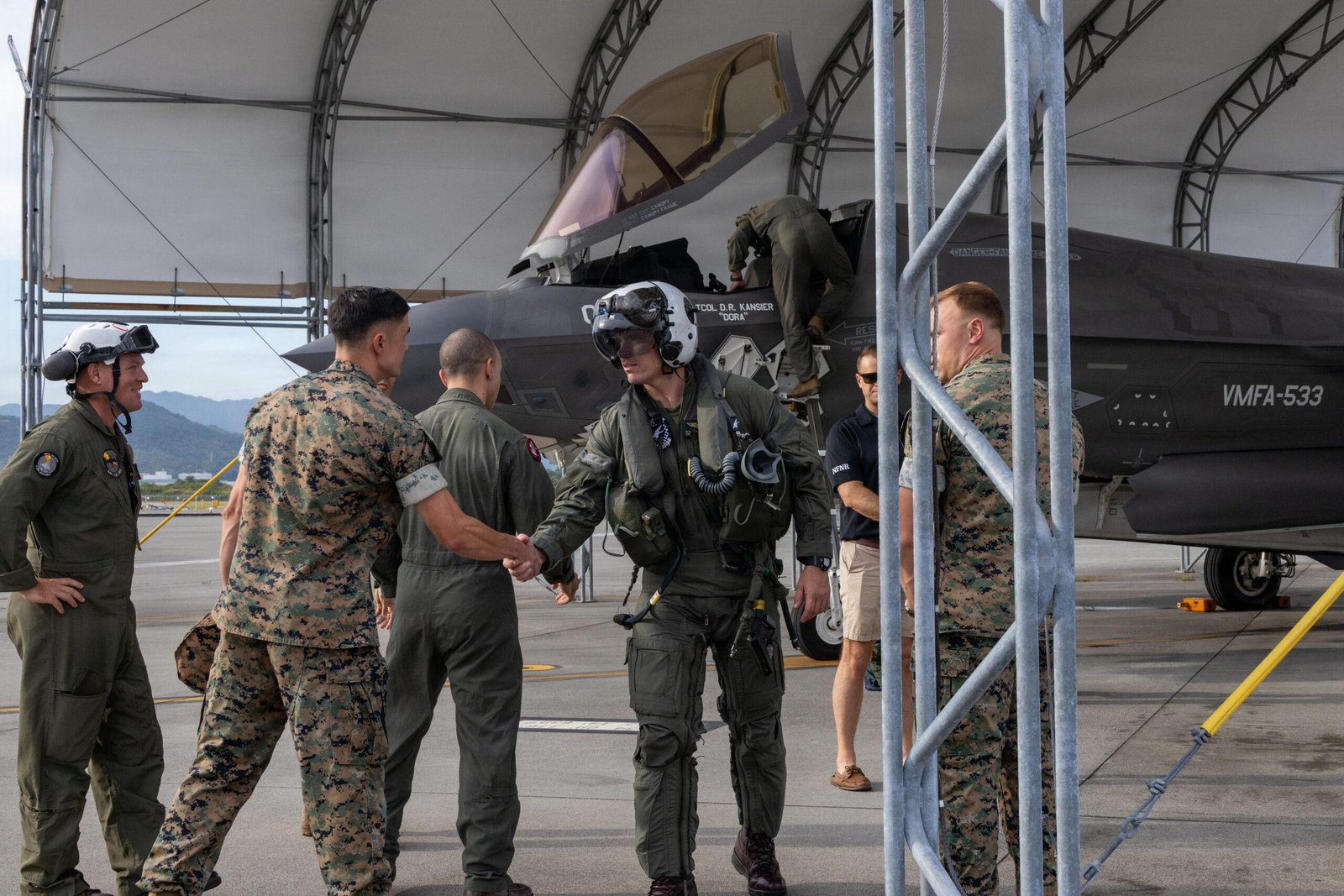
The VMFA-533 F-35B Japan rotation is underway: Marine Fighter Attack Squadron 533, the Hawks, arrived at Marine Corps Air Station Iwakuni on September 5, 2026, taking over rotational duty from VMFA-232, the Red Devils, under the Marine Corps’ Unit Deployment Program. It’s the first time VMFA-533 has deployed to Japan flying the F-35B Lightning II rather than the Hornet it flew for decades.
The South Carolina-based squadron now joins Marine Aircraft Group 12, part of the 1st Marine Aircraft Wing, in the Indo-Pacific region — continuing a rotational program the Marine Corps has run since 1980.
Table of Contents
A Familiar Rotation With a New Jet
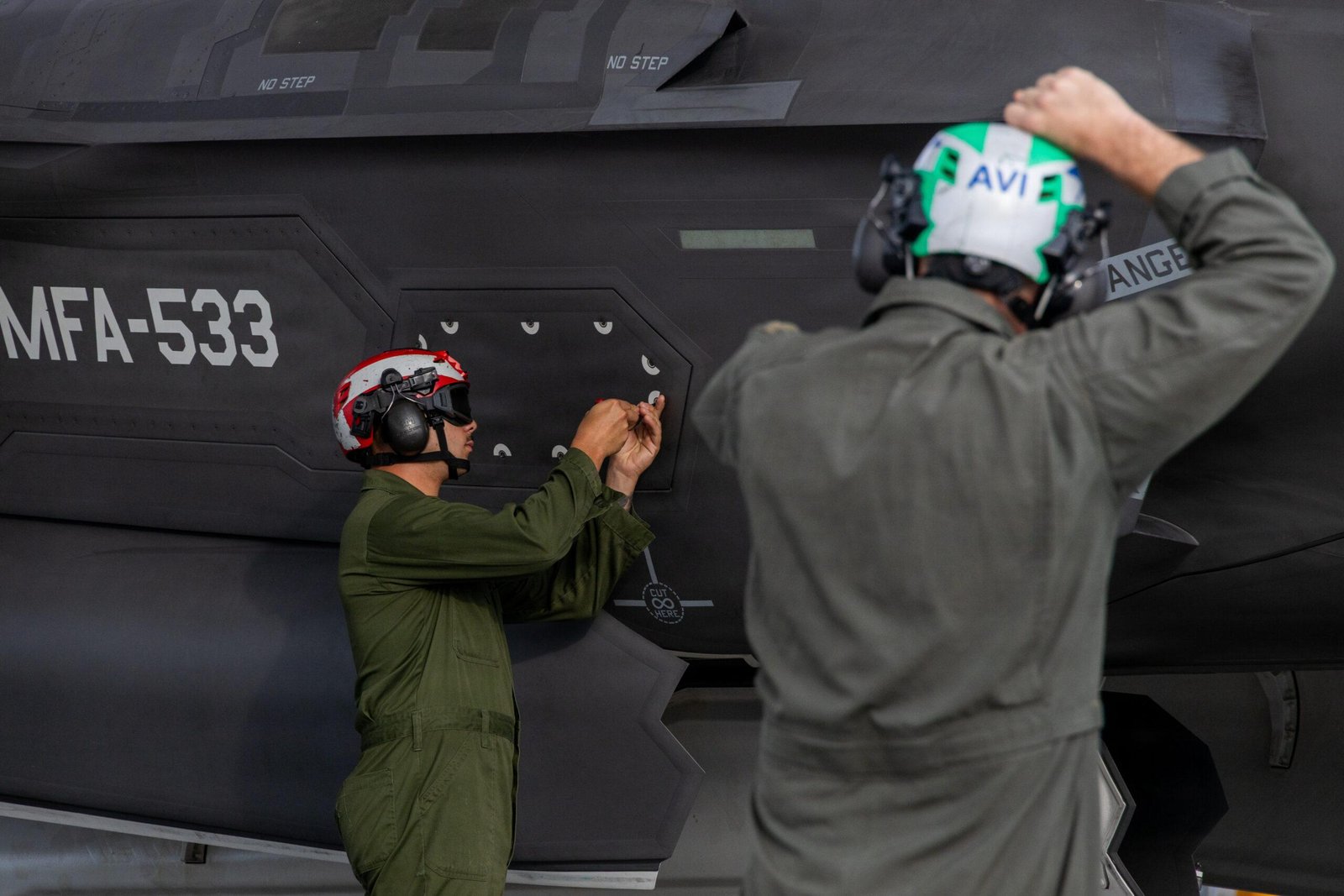
VMFA-533 is no stranger to Iwakuni. The squadron has deployed there under the Unit Deployment Program multiple times before, most recently flying the F/A-18D Hornet in 2018. What’s new this time is the aircraft: the Hawks received their first F-35B Lightning II at their home station, Marine Corps Air Station Beaufort, South Carolina, on October 11, 2024, after decades flying the Hornet.
VMFA-232, which had held the rotational slot since arriving from Marine Corps Air Station Miramar, California, in September 2025, hands off to the Hawks as part of the normal UDP cycle. The Marine Corps has not disclosed how many aircraft or personnel deployed with VMFA-533, or how long this particular rotation is expected to last.
What the Unit Deployment Program Actually Does
The Unit Deployment Program sends Marine Corps units based in the continental United States to Japan on a rotating basis, giving squadrons experience operating in the Indo-Pacific without permanently relocating personnel and their families overseas. The Marine Corps has run the program since 1980 — and VMFA-533’s own predecessor squadron was the very first unit to deploy under it, giving this rotation a certain symmetry more than four decades later.
The arrangement lets the Marine Corps maintain a rotating forward presence in the Pacific while keeping the bulk of its aviation units and their families based stateside, cycling fresh squadrons through Japan on a periodic basis rather than permanently stationing every unit overseas.
Joining an Already-Crowded Flight Line
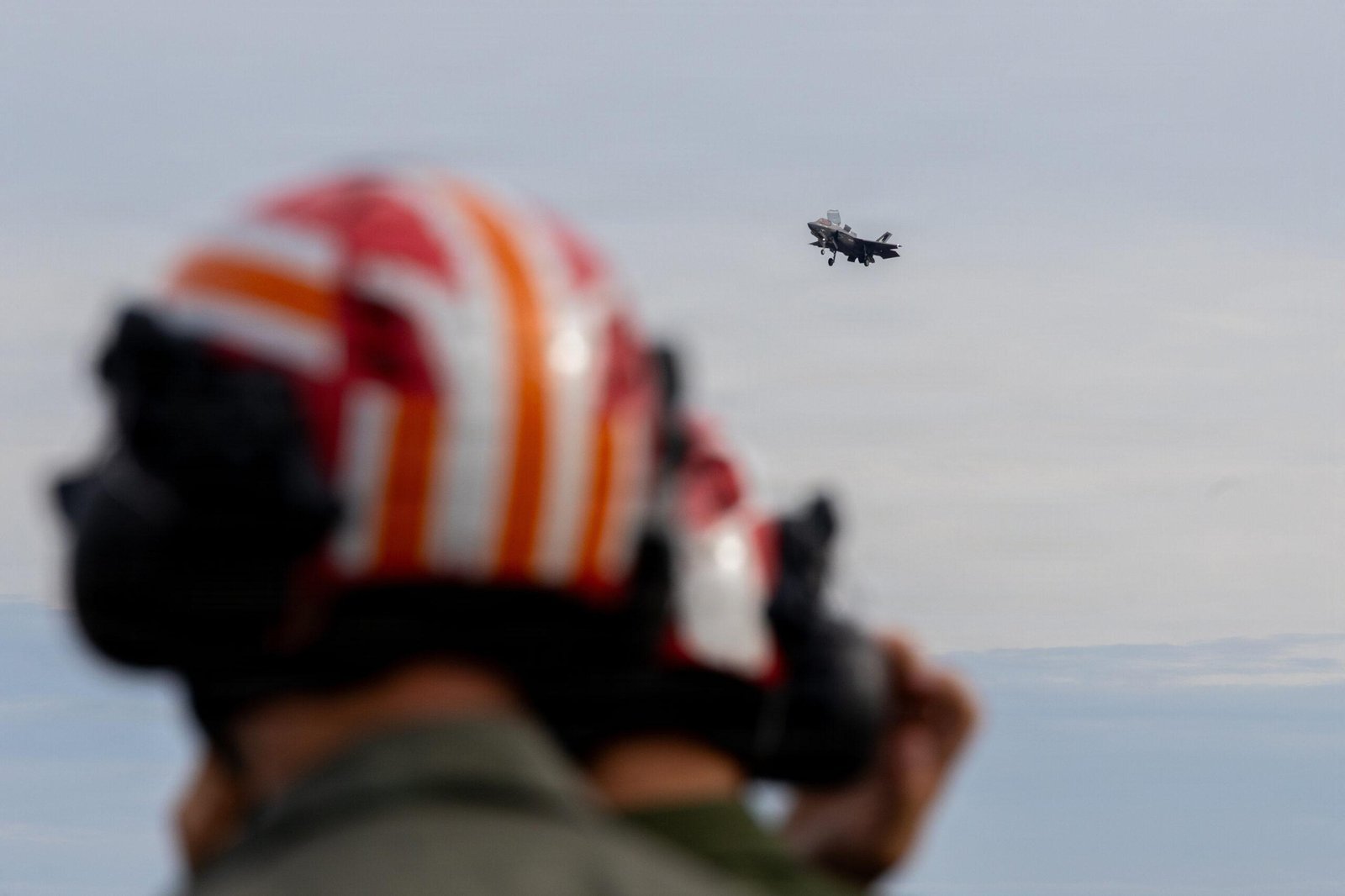
Iwakuni was far from an empty airfield before VMFA-533 arrived. The base already hosts other Marine F-35B squadrons alongside F/A-18D Hornets and KC-130J refueling aircraft, and it also supports elements of the U.S. Navy’s Carrier Air Wing 5 — making it one of the more consistently active U.S. aviation hubs in the Western Pacific.
The Marine Corps said the deployment supports the U.S.-Japan Treaty of Mutual Cooperation and Security and gives the 1st Marine Aircraft Wing additional combat-ready aviation forces capable of operating from naval and expeditionary sites throughout the region.
FAQ: VMFA-533 F-35B Japan
How long will VMFA-533 stay in Japan?
The Marine Corps has not disclosed the expected length of this rotation. Unit Deployment Program rotations typically run several months to about a year before another squadron takes over the slot.
Is this a permanent move for the squadron?
No. VMFA-533 remains based at Marine Corps Air Station Beaufort, South Carolina. This is a temporary Unit Deployment Program rotation, not a permanent change of station, and the squadron is expected to return to Beaufort once its rotation ends.
When did VMFA-533 get the F-35B?
VMFA-533 received its first F-35B Lightning II at Beaufort on October 11, 2024, after decades flying the F/A-18D Hornet. This Iwakuni rotation is the squadron’s first Unit Deployment Program deployment flying the F-35B.
Looking Ahead
The Marine Corps has not indicated how long VMFA-533’s rotation will last or when the next squadron will take over the Iwakuni slot. The Aviation Diary will continue following VMFA-533’s deployment and the broader Marine Corps F-35B rotational presence in Japan.
Sources
- The Defence Blog — U.S. Marine Corps Sends F-35B Jets to Japan
- DVIDS / U.S. Marine Corps — U.S. Marines With VMFA-533 Deploy Japan UDP