The FAA has approved a Boeing 777F emissions waiver covering 35 additional freighters that can be sold after new aircraft-emissions requirements take effect on January 1, 2028.
The decision gives Boeing a limited bridge between the current 777 Freighter and the delayed 777-8F, while preserving the broader federal standard for newly produced large aircraft.
Table of Contents
What the FAA’s 777F Waiver Allows
The waiver allows Boeing to sell 35 additional 777 Freighters for three years after the new production standard takes effect. It is a defined exception for a specific number of aircraft rather than a repeal or broad suspension of the emissions rule.
The FAA finalized the underlying rule in February 2024. It requires improved fuel-efficiency technology for most large aircraft manufactured after January 1, 2028, as well as for covered aircraft designs that had not yet been certified. Aircraft already in service are not subject to the rule.
Reuters reported that the agency approved the waiver to give Boeing flexibility while accommodating uncertainty in the 777-8F certification schedule. The current Boeing 777F remains an important long-range cargo type for operators that need widebody capacity before its successor is available.
Why Boeing Requested the Waiver
Boeing requested the exemption in December 2025, according to Reuters, arguing that continued demand for dedicated freighters and delays to the 777-8F created a potential production gap. The company estimated that losing those deliveries could put more than $15 billion in U.S. exports at risk.
That figure is Boeing’s estimate, not an independent FAA forecast. Even so, the request highlights the industrial-policy dimension of the decision: ending current-model deliveries before the replacement is certified could interrupt a production line, supplier work and customer fleet plans.
Reuters described the 777F as the only large widebody freighter currently in production. The waiver therefore gives cargo airlines another purchasing option during a period in which Boeing is still working through certification of the next-generation model.

The 777F and 777-8F Transition
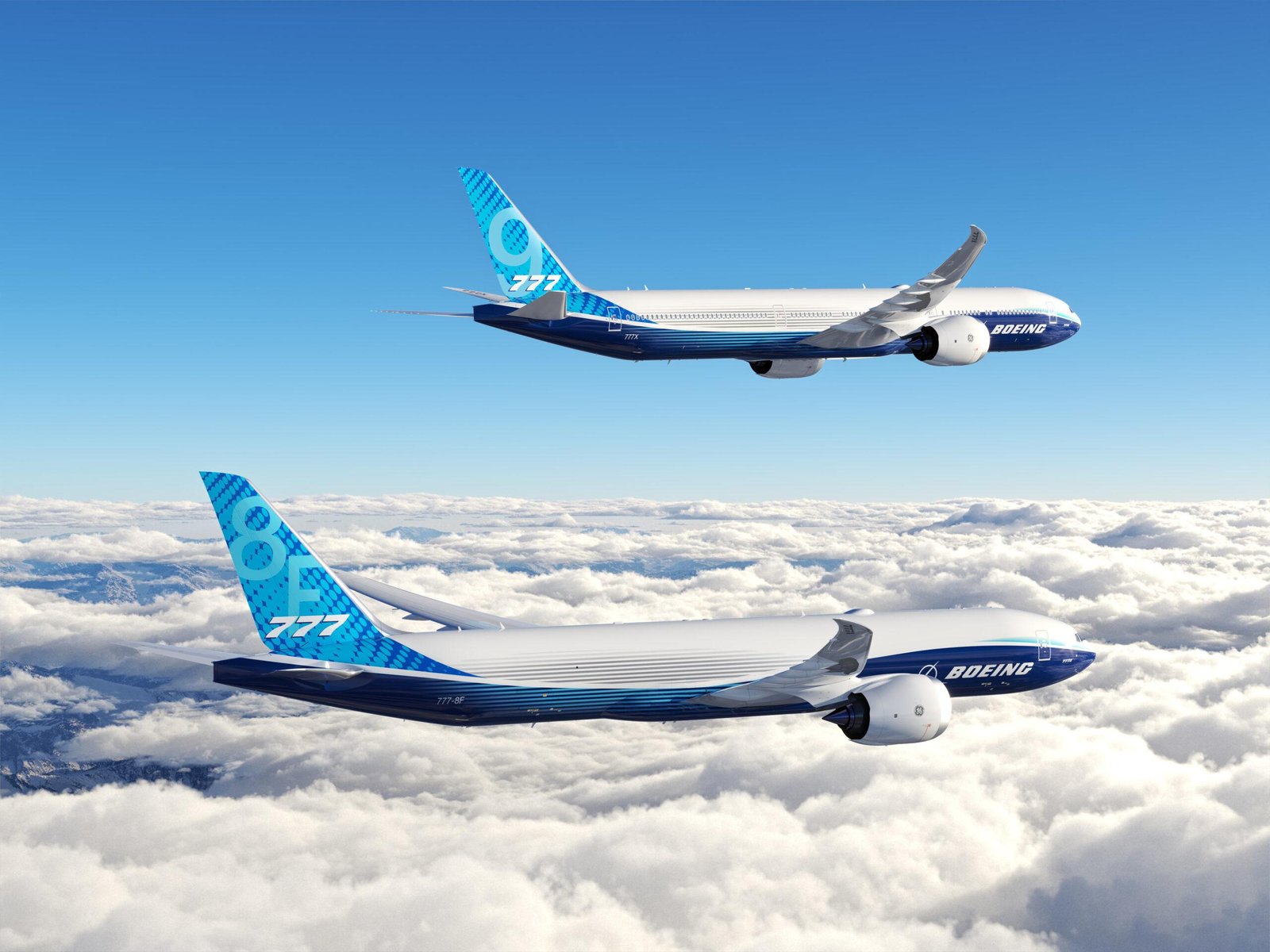
Boeing lists the current 777F with a structural gross payload of 107 tonnes, space for 27 main-deck pallets and a range of 5,000 nautical miles at that payload. Those figures explain why the aircraft remains useful for long-haul cargo missions even as its certification basis approaches the new emissions cutoff.
The manufacturer lists the 777-8F with a structural gross payload of 118 tonnes, 31 main-deck pallet positions and a 5,000-nautical-mile range carrying 110 tonnes. Boeing also advertises 17 percent more cargo volume than the 777F and up to 30 percent lower fuel use and carbon-dioxide emissions than the aircraft it is intended to replace.
Those performance comparisons are manufacturer claims and will ultimately be tested in airline service. Reuters reported that the 777-8F is now expected to enter service around 2029, leaving little margin between the new regulatory deadline and the replacement program’s planned debut.
What the Decision Means for Emissions Policy
The FAA’s action does not change the January 2028 effective date for the wider fleet. Instead, it creates a quantity-limited transition for one freighter program while Boeing works toward certifying the 777-8F.
That balance will remain open to scrutiny. Cargo operators gain access to additional new-build capacity, while the 35 exempted aircraft will not meet the production standard that would otherwise apply after the cutoff. The practical significance will depend on when Boeing certifies the 777-8F and how quickly customers move from the current model to the replacement.
FAQ: Boeing 777F Emissions Waiver
How many aircraft does the FAA waiver cover?
The waiver covers 35 additional Boeing 777 Freighters.
When do the new FAA emissions requirements take effect?
The manufacturing requirements apply from January 1, 2028, for most large aircraft covered by the rule. They do not apply retroactively to aircraft already operating.
Why did Boeing seek the waiver?
Boeing cited continued demand for the 777F and uncertainty around the certification schedule for the 777-8F, which could otherwise leave a gap in large-freighter production.
Is the 777F being replaced?
Yes. Boeing is developing the larger 777-8F as its next-generation production freighter, with entry into service currently expected around 2029.
Looking Ahead
The next milestone is the 777-8F certification schedule. If the program reaches service around 2029, the 35-aircraft waiver should function as the temporary bridge described by the FAA and Boeing. A further delay would intensify the tension between cargo-capacity demand, continuity on the 777 production line and the policy goal of moving new aircraft toward stricter emissions performance.
Sources
- Reuters — FAA waiver for 35 additional Boeing 777F freighters
- Federal Aviation Administration — 2024 aircraft carbon-emissions rule
- Boeing — 777F and 777-8F freighter specifications