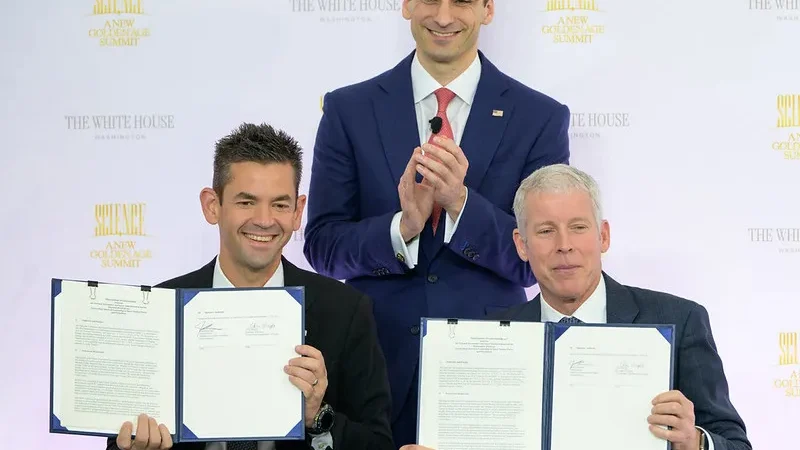
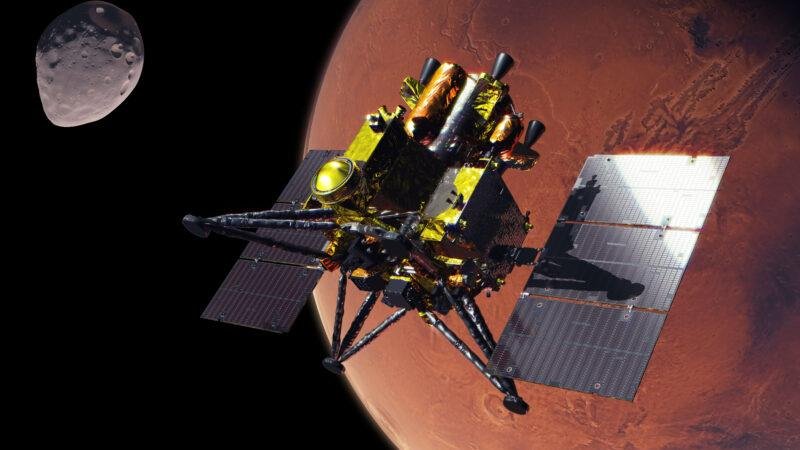
SR-1 Freedom mission development has advanced with new arrangements for the power system intended to drive a nuclear-electric spacecraft toward Mars, NASA announced Oct. 20. The agency said Sierra Lobo will supply a closed Brayton-cycle power conversion system and the Department of Energy’s Idaho National Laboratory is developing the reactor portion of the spacecraft’s nuclear power module.
NASA targets a late-2028 launch for Space Reactor-1 Freedom, which is also intended to carry the SkyFall science mission and its three Mars helicopters. The announcement concerns engineering and contract progress. No fission-powered interplanetary spacecraft has launched under this program, and the proposed mission performance remains to be demonstrated.
Table of Contents
How the SR-1 Freedom Mission Would Generate Power
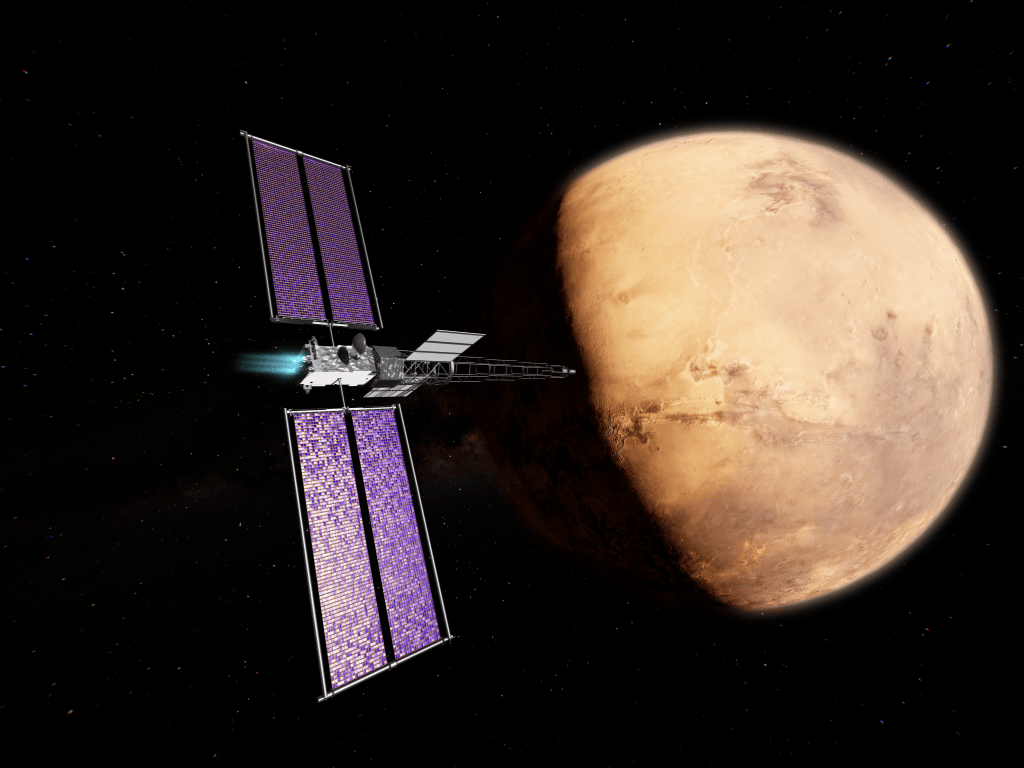
The planned spacecraft uses nuclear fission to produce heat. A power conversion system would turn some of that thermal energy into electrical power, which can support spacecraft systems and electric propulsion. NASA says the power module is positioned at the end of a spacecraft boom, a design feature relevant to how the overall system is arranged. This is different from a chemical rocket’s high-thrust launch from Earth.
The conversion hardware will use a closed Brayton cycle, a process that can transform heat into mechanical and then electrical energy through a working-fluid system. Sierra Lobo’s assignment concerns that subsystem, while Idaho National Laboratory is developing the reactor. Integrating those parts into a flight-ready module is a significant future engineering task rather than a step already completed by this announcement.
The primary announcement is available at the original source.
Contracts, Safety and Reactor Operations
NASA said the latest contract actions were mutually agreed with partners to reduce program risk and sustain the target schedule. Sierra Lobo’s work falls under an existing support contract at NASA’s Glenn Research Center in Cleveland. The agency also describes cooperation with the Department of Energy on design and safety oversight, including interagency reviews and regulatory compliance.
The reactor is intended to remain inactive until the spacecraft leaves Earth orbit, NASA said. That is an important safety-design constraint, but the statement should not be interpreted as proof that every future launch and operating risk has been removed. A mission involving nuclear systems requires substantial verification, and readers should distinguish planned protections from demonstrated flight performance.
The Connection to SkyFall Mars Helicopters
SR-1 Freedom is intended to deliver SkyFall, a mission concept involving three helicopters derived from the experience of NASA’s Ingenuity Mars aircraft. NASA lists cameras and scientific instruments among the capabilities being developed for the next generation. Their planned objectives include observing terrain and collecting information relevant to future exploration. SkyFall is a payload mission, while SR-1 Freedom is the transport and propulsion technology demonstrator.
NASA’s mission information targets a late-2028 launch and subsequent Mars operations, but the precise sequence includes a cruise, later approaches and deployment preparations. The helicopters have not been delivered to Mars, and no SkyFall flight results yet exist. It would be inaccurate to describe the new announcement as a successful Mars landing or a completed nuclear propulsion experiment.
Why the Technology Is Being Developed
A fission-based power source can potentially provide electricity in environments where solar power is constrained by distance, darkness or other factors. NASA points to broader applications for deep-space transport and for future systems operating during lunar darkness. Those possibilities explain the investment in reactor and power-conversion hardware, but the October release does not establish that a nuclear installation is already operating on the Moon.
The agency’s immediate objective is to mature and demonstrate the technologies in a flight program. Success will be measured by integration, qualification, safe launch preparation and eventually actual operation in space, not by the ambitions alone.
FAQ: SR-1 Freedom mission
What is the SR-1 Freedom mission intended to demonstrate?
NASA plans to demonstrate fission power and nuclear electric propulsion on a spacecraft traveling beyond Earth orbit.
What is Sierra Lobo building for SR-1 Freedom mission?
The company is assigned the closed Brayton-cycle power conversion system that would turn reactor heat into electrical power.
Has the spacecraft's nuclear reactor started operating?
No. The program is in development, and NASA says the reactor will remain inactive until the spacecraft departs Earth orbit.
Looking Ahead
The next milestones are design integration, subsystem testing, nuclear-safety reviews and qualification for the late-2028 target. TAD should track actual test results and any schedule changes without treating the mission’s objectives as completed achievements.
For related TAD reporting, see NASA lunar power research.
Sources