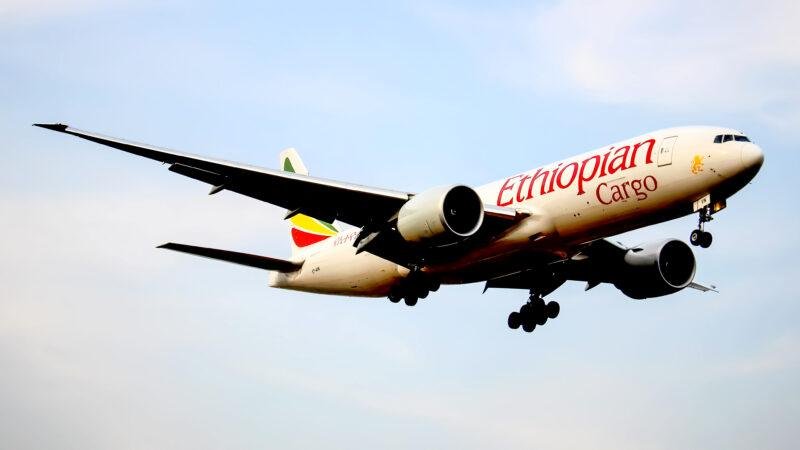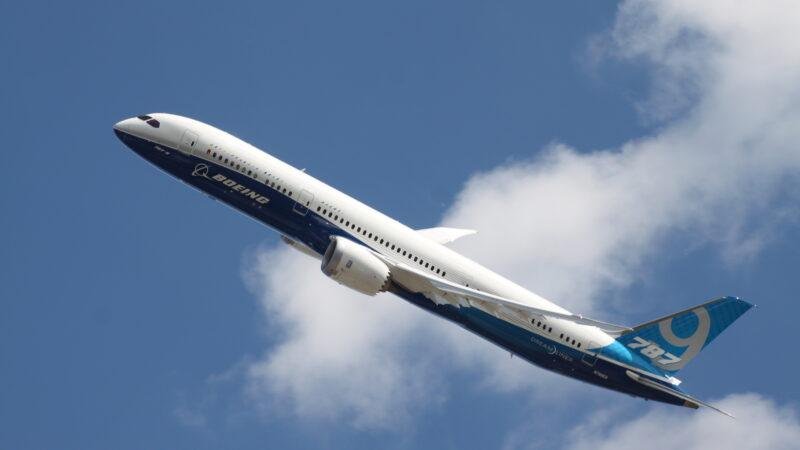
Boeing freighter forecast projections released on Oct. 28 call for the worldwide cargo-aircraft fleet to reach 4,010 airplanes by 2045, up from 2,395 in 2025. The company expects growing demand for fast delivery and changing supply chains to underpin the expansion.
The 2026 World Air Cargo Forecast anticipates 2,930 new and converted freighters over two decades. Boeing presented the outlook at an air cargo industry forum in Miami, offering a long-term view of aircraft requirements rather than reporting signed orders.
The figures cover dedicated freighters and the planes that will replace older aircraft. They are forecasts, not commitments by airlines, and actual purchasing decisions will depend on freight demand, financing, trade policy and operating costs.
Table of Contents
Boeing Freighter Forecast Details a Larger Global Fleet
According to the primary announcement, the cargo fleet is projected to grow by approximately 67 percent through 2045. Boeing expects air cargo traffic to increase by an average of 3.5 percent annually, a pace it says would exceed long-term growth in the broader economy and international trade.
The Boeing freighter forecast says air freight volumes reached another annual record in 2025, growing nearly 5 percent from 2024. It describes the market as capable of adapting to trade disruptions through route changes, network redesign and shifting production locations, although those changes can also make operating plans less predictable.
The projected 4,010-aircraft fleet is not the same as 4,010 new deliveries. The fleet grows from its existing base, while some older aircraft retire. Boeing’s separate forecast for 2,930 deliveries includes both fleet expansion and replacement of airplanes already flying.
For context, related TAD coverage previously examined another manufacturer’s view of the cargo-aircraft market through 2045. The two forecasts use separate assumptions and are not a tally of orders placed with either company.
Conversions and New Freighters Serve Different Needs
The Boeing freighter forecast estimates that 55 percent of freighter deliveries will add carrying capacity, while about 45 percent will replace retiring aircraft. Roughly two-thirds of the deliveries are expected to be passenger-to-freighter conversions, with newly built cargo aircraft accounting for the remaining third.
Conversions give operators a way to put older passenger airframes to work carrying freight, often with different acquisition costs and payload characteristics from purpose-built aircraft. The mix matters for airlines, cargo operators, leasing companies and the maintenance businesses involved in modification and support.
The outlook does not identify which customers will choose a specific Boeing model or the timing of individual conversions. An aircraft forecast can signal broad market demand without establishing production rates, factory slots or the financial viability of each conversion program.
Boeing also expects dedicated cargo aircraft to continue carrying more than half of worldwide air freight. Passenger jets transport substantial cargo in their lower holds, but main-deck freighters accommodate shipments that demand larger doors, specialized handling or dedicated schedules.
Asia Trade and Express Shipping Shape Demand
The Boeing freighter forecast expects trade flows touching Asia to represent about 60 percent of the global air cargo market over the forecast period. E-commerce, high-value electronics and time-sensitive industrial goods are prominent factors in the company’s demand analysis.
Boeing says more than 70 percent of goods connected to artificial intelligence were transported by air in 2025, citing industry research. It is a measure of the type of time-sensitive trade being discussed, not evidence that all technology shipments or all air cargo need dedicated freighters.
The company also projects that express and time-definite integrators will account for nearly one-quarter of global air cargo traffic in 2045. That outlook suggests a continuing role for networks built around rapid connections and predictable delivery windows.
These estimates remain sensitive to changes in international commerce. Trade restrictions, geopolitical disruption, fuel costs and customer purchasing habits could alter both where freight moves and which aircraft types are most useful.
FAQ: Boeing freighter forecast
How large is the Boeing freighter forecast fleet for 2045?
Boeing projects approximately 4,010 dedicated cargo airplanes worldwide in 2045, compared with 2,395 in 2025.
Does the projection mean 2,930 new aircraft orders?
No. The 2,930 figure covers forecast deliveries of both newly produced and converted freighters; it is not a booked-order total.
Why does the forecast emphasize Asia?
Boeing expects trade flows involving Asia to account for roughly 60 percent of air cargo activity, reflecting the region’s role in manufacturing and global distribution.
Looking Ahead
The next test will be how freighter purchases and passenger-aircraft conversions develop against the 20-year outlook. Boeing has not announced a delivery schedule for the forecast total; individual operators and manufacturers will make those decisions over time as demand becomes clearer.
Sources