NORAD Alaska F-16s returned to a forward air-defense alert posture at Eareckson Air Station in the western Aleutians during an October deployment, according to military photographs and reporting published Oct. 30. The operation placed U.S. fighters on Shemya Island, a remote location closer to the northern Pacific approaches than Alaska’s principal fighter bases.
The deployment was part of Operation Noble Defender and reportedly ran from Oct. 18 through Oct. 26. It demonstrated that the North American Aerospace Defense Command could position armed aircraft and supporting personnel far from normal operating bases; the available reporting did not establish a permanent return of a full-time fighter squadron to the island.
Table of Contents
NORAD Alaska F-16s Take Up Forward Alert Duties
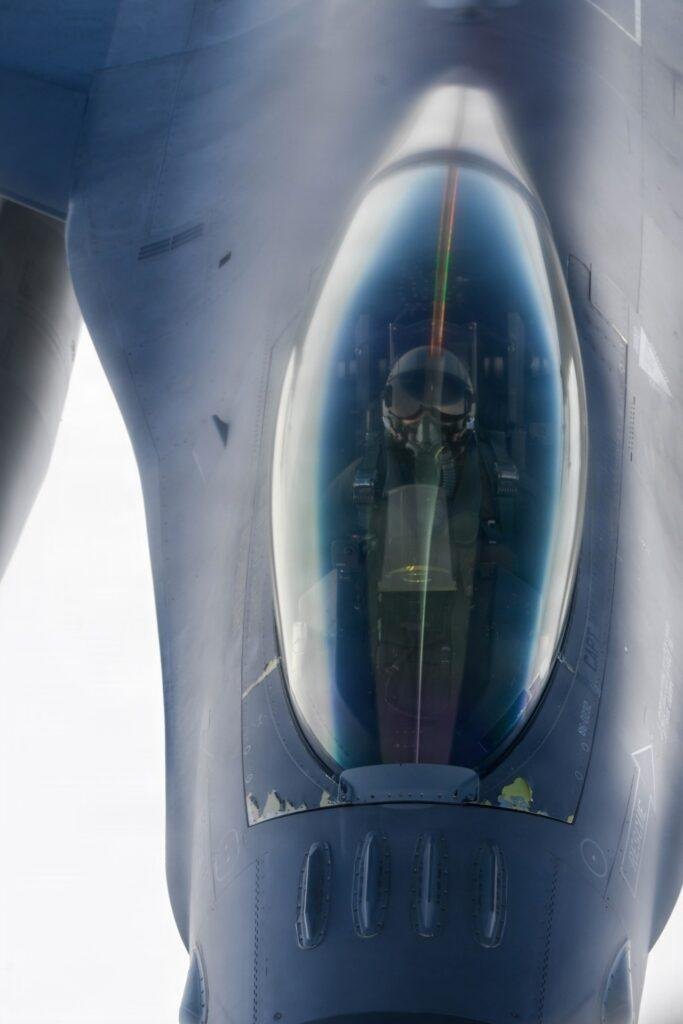
The War Zone reported that F-16s deployed to Eareckson during the operation, maintained an air-defense alert posture and launched on Oct. 25 as part of a broader homeland-defense mission. Photographs credited to U.S. Air Force personnel showed F-16 aircraft on the remote airfield during the exercise period.
The account described live air-to-air weapons on the deployed fighters. That description is significant because an alert posture differs from a short transit stop or a routine training landing. It also does not necessarily mean the aircraft engaged any hostile target; no such engagement was reported as part of the October activity.
The fighters’ temporary presence marked a return to a type of mission associated with the island during the Cold War. Military aircraft have visited Eareckson in the intervening decades, but this operation specifically demonstrated the ability to support distributed air-defense alert duties at the station.
The Aleutians’ Geography and Support Challenge
Shemya lies in the western Aleutian chain, positioned near approaches from the North Pacific and Russia’s Far East. NORAD Alaska F-16s operating there can begin a mission much farther west than aircraft departing a major mainland base. The same remoteness creates demands for fuel, maintenance support, personnel, spare parts and emergency contingencies.
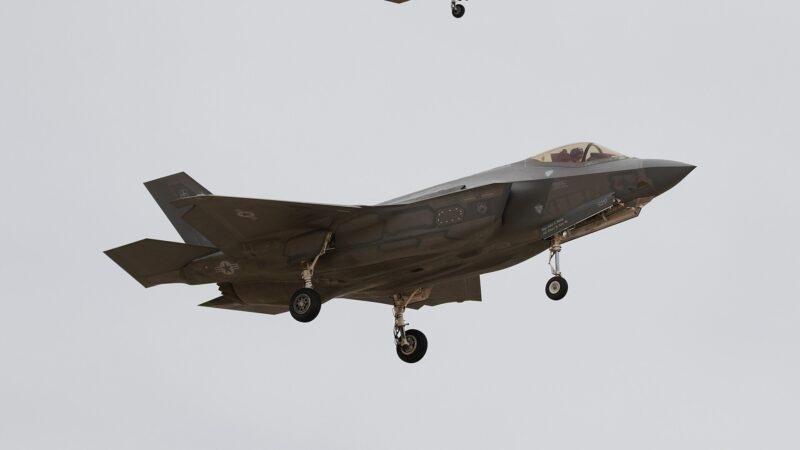
The October effort reportedly included F-16s and F-35As operating from Eielson Air Force Base as well as Canadian CF-18 Hornets. An E-3 airborne warning and control aircraft, U.S. KC-135 tankers, Canadian refueling support and an HC-130 rescue asset also contributed. Each of those aircraft types supports a different aspect of surveillance, reach or mission resilience.
A forward operating site can extend coverage without becoming a permanent base. The ability to sustain aircraft over multiple days involves logistical preparation beyond a single landing, including equipment, crews and supplies. The available sources did not disclose a long-term basing commitment or the precise cost of maintaining permanent fighter operations on Shemya.
Military Context and the Limits of the Deployment
The NORAD Alaska F-16s mission occurred under Noble Defender, a recurring effort intended to exercise North American air-defense readiness. The report said the activity later transitioned into a Noble Eagle homeland-security mission. These are operational designations, not evidence that a combat engagement occurred or that a new national policy had been announced.
The island also hosts the Cobra Dane radar installation, a strategically placed system used in missile warning and tracking. Protecting such infrastructure is one reason defense planners study the distribution of aircraft and other forces across distant locations. However, the October exercises did not prove that a particular future attack is expected, nor should a training deployment be reported as an imminent threat warning.
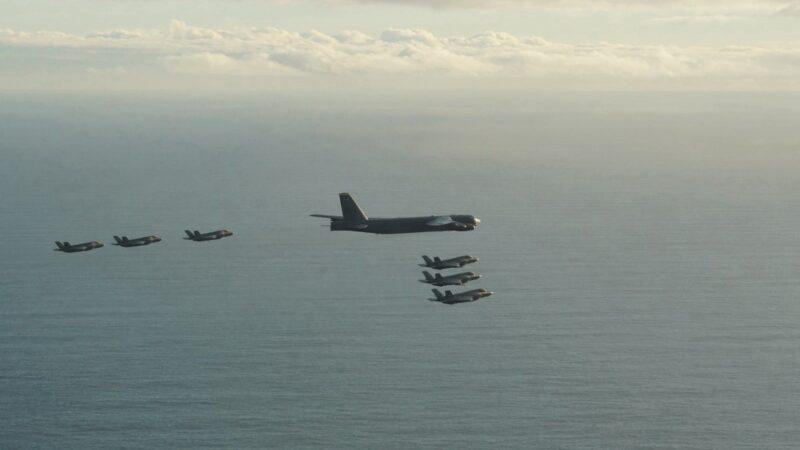
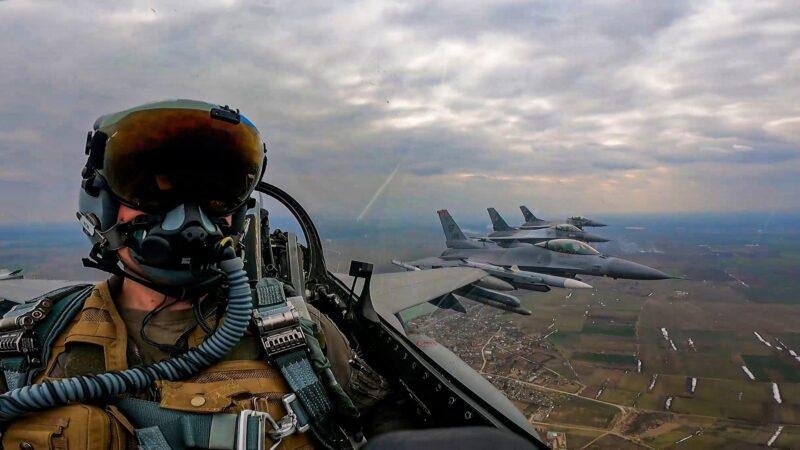
A DVIDS photograph of Arctic homeland-defense operations illustrates the broader mission set but predates the specific October exercise. TAD also covered a separate Global Thunder B-52 and F-35 mission, another example of how U.S. military aviation uses distributed aircraft and allied coordination.
FAQ: NORAD Alaska F-16s
Where were NORAD Alaska F-16s deployed?
The reported forward alert mission took place at Eareckson Air Station on Shemya Island in the Aleutians.
Was the deployment permanent?
No permanent fighter basing decision was established in the reviewed reporting. The October activity was described as a temporary deployment.
Which other aircraft supported the operation?
The reported multinational effort involved additional U.S. fighters, Canadian CF-18s, airborne command-and-control aircraft and aerial refueling support.
Looking Ahead
NORAD may use future exercises to test similar forward alert and sustainment options. No verified date for a permanent basing decision or another Eareckson alert deployment was established in the available account.
Sources
- The War Zone — F-16 alert deployment to the Aleutian Islands
- DVIDS — Arctic homeland-defense F-16 image record