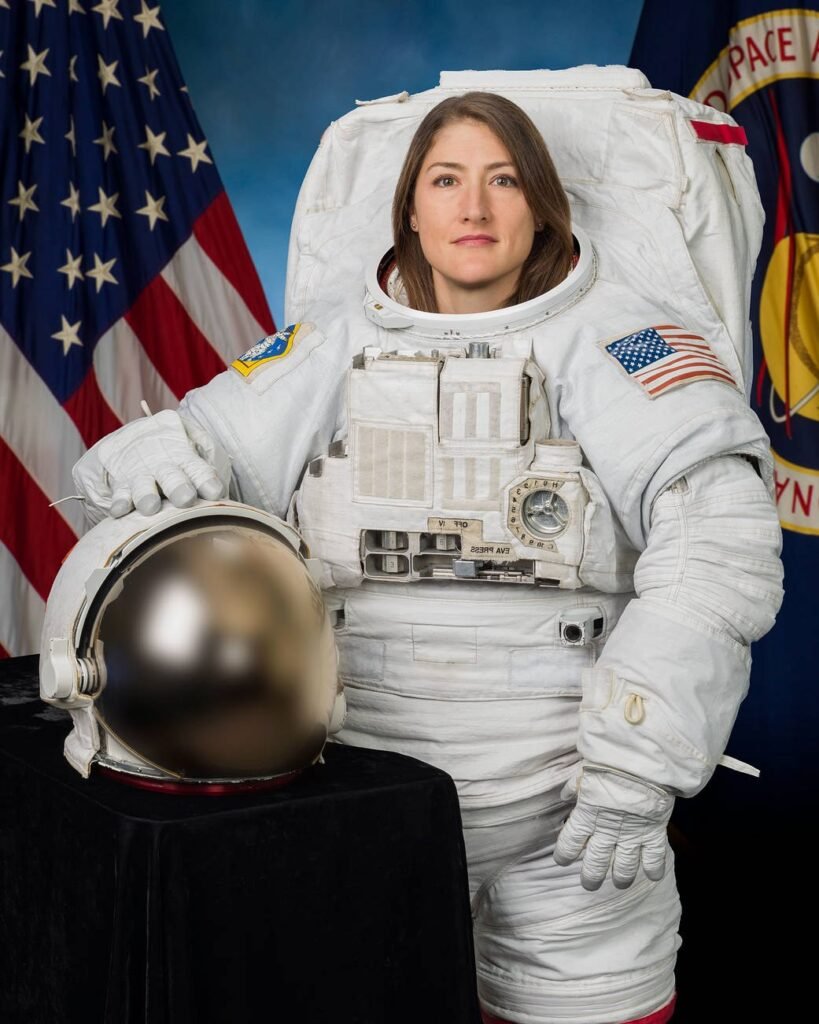
NASA Christina Koch began serving as the agency’s acting deputy chief engineer on Nov. 1, an appointment announced by NASA in October that moves the astronaut into a senior technical leadership role. The agency said the change follows Katherine Van Hooser’s retirement after more than 35 years of service, including responsibility for major human-spaceflight engineering programs.
Koch’s new assignment combines experience developing engineering systems on Earth with firsthand operational experience aboard spacecraft. NASA said the appointment also moves her into management astronaut status, making her ineligible for future spaceflight assignments under the agency’s current role classification.
Table of Contents
NASA Christina Koch Moves Into Technical Oversight
NASA announced on Oct. 13 that Koch would become acting deputy chief engineer beginning Sunday, Nov. 1. The position supports engineering policy, technical oversight, risk evaluation and mission readiness across the agency’s programs. It is an organizational leadership appointment, not a new crew assignment or a confirmation of another spacecraft launch date.
The NASA release said Koch would work with an engineering community involved in multiple missions and technical disciplines. That includes maintaining a consistent approach to engineering decisions across programs with different vehicles, scientific goals and operating environments.
The word acting is part of the official title and should be preserved. The announcement identified Koch’s start date but did not describe a separate permanent appointment process or provide a timetable for when the designation might change. Calling the post permanent would go beyond the information NASA released.
Experience in Spaceflight and Ground Engineering
Before becoming an astronaut, Koch worked as an electrical engineer at NASA’s Goddard Space Flight Center in Maryland, developing scientific instruments. Her earlier field-engineering experience included work in Antarctica and the Arctic, where teams routinely operate specialized equipment in demanding conditions. NASA selected her as an astronaut in 2013.
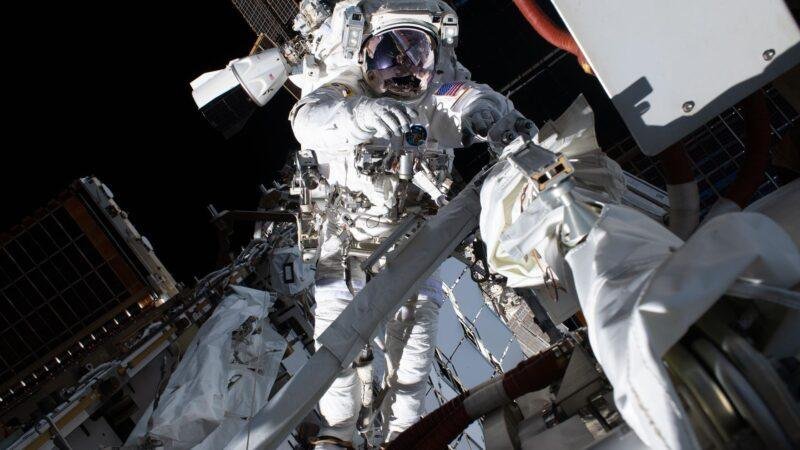
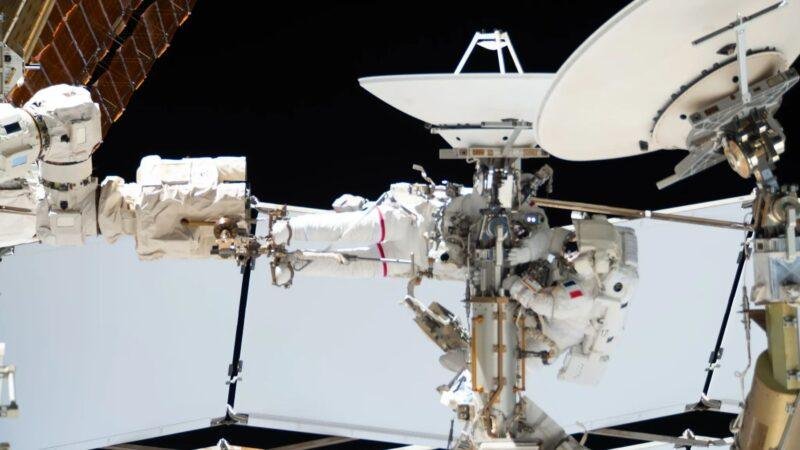
NASA Christina Koch later spent 328 consecutive days on the International Space Station, setting the record for the longest single spaceflight by a woman. She also participated in the first all-female spacewalks. These achievements are relevant here because they combine direct operational exposure with the design and troubleshooting background associated with complex spacecraft systems.
In April 2026, Koch was a mission specialist aboard Artemis II, NASA’s crewed flight around the Moon. The mission gave her experience with flight operations on the Orion spacecraft and the program’s wider technical systems. Her appointment does not change the historical status of Artemis II or constitute an announcement about her participation in a future lunar mission.
Leadership Transition After Van Hooser’s Retirement
Katherine Van Hooser retired Oct. 21 after a career that began at Marshall Space Flight Center in 1991, NASA said. She worked on liquid rocket engine turbomachinery and became chief engineer for the space shuttle main engine, overseeing technical work associated with the program’s final 21 flights. She later held leadership roles supporting Space Launch System propulsion.
NASA Christina Koch succeeds Van Hooser in an acting capacity after Van Hooser served as the agency’s deputy chief engineer from 2023. The change is significant for NASA’s engineering governance, which requires technical review across individual mission offices rather than depending on one vehicle or contractor.
The agency’s engineering organization supports mission assurance, design analysis and decisions about technical readiness. A leadership change does not automatically imply that an existing project is behind schedule or that an engineering issue has been discovered. NASA did not identify a new spacecraft defect as the reason for this transition.
TAD has covered Artemis III core-stage and booster preparations, a separate NASA development connected to future mission readiness. That reporting provides context for the type of complex technical programs under agency-wide engineering oversight, but the appointment was not presented as a change to Artemis III’s announced schedule.
FAQ: NASA Christina Koch
What is NASA Christina Koch’s new role?
Koch became NASA’s acting deputy chief engineer effective Nov. 1, helping lead technical oversight and engineering readiness.
Can Koch fly on another NASA mission?
NASA said the move to management astronaut status means she will no longer be eligible for future spaceflight assignments under that status.
Who held the engineering position before Koch?
Katherine Van Hooser, who retired Oct. 21, had served as deputy chief engineer since 2023.
Looking Ahead
Koch begins an agency-wide technical leadership assignment as NASA continues work on its exploration and scientific programs. NASA has not announced a date for changing the acting designation or a new flight assignment for her.
Sources
- NASA — Christina Koch appointed acting deputy chief engineer
- NASA — official Christina Koch astronaut portrait and biography page