Iran aircraft losses — a Congressional Research Service report updated Oct. 5 listed 81 U.S. military aircraft reportedly lost or damaged in operations associated with the Iran conflict beginning Feb. 28, 2026.
The count includes both crewed and uncrewed aircraft and should not be described as 81 airplanes destroyed or shot down. Some damaged aircraft may have returned to duty.
Table of Contents
What the announcement establishes
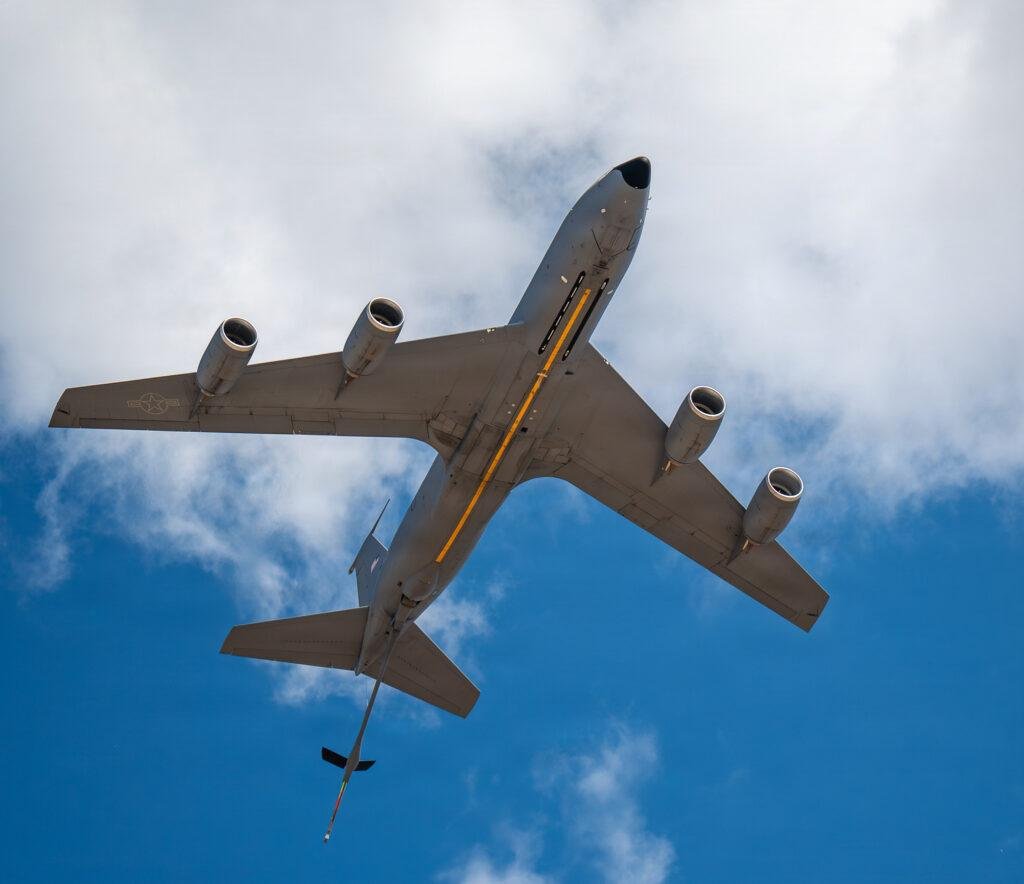
The report identifies 45 MQ-9 Reapers, 12 F-15E Strike Eagles and seven KC-135 tankers among the reported affected aircraft.
CRS drew on official statements, inspector general materials and media accounts; it cautioned that classification, ongoing events and attribution could change the total.
The composition of the Congressional Research Service tally is more informative than the headline number. Its October update included 45 MQ-9 Reapers, 12 F-15E Strike Eagles, seven KC-135 tankers, two A-10 attack jets and smaller numbers of other fixed-wing aircraft and helicopters. These categories represent different operational roles, costs and repair options. A drone loss does not have the same implications as damage to a scarce airborne early-warning aircraft, so aggregating all types into one count can obscure the military significance.
What the change means
The documented incidents span combat damage, friendly fire, mishaps and intentional destruction during recovery activity, rather than a single cause.
The report also discusses congressional oversight of replacement budgets, readiness, limited-production aircraft and industrial capacity.
The evidence also differs by event. CRS cited an official report of three F-15Es brought down by friendly fire over Kuwait, accounts of other aircraft damaged on the ground, reported drone losses and helicopters destroyed in the course of rescue operations. Some aircraft labeled damaged returned to service, while other losses were permanent. It would be inaccurate to characterize every listed event as a confirmed Iranian shootdown. The report itself warns that the total may change with new reporting, classification decisions and event attribution.
Limits, questions and next steps
CRS cites a September Congressional Budget Office estimate of $1.9 billion–$3.3 billion for equipment losses as of Aug. 1, conditional on replacement decisions; it is not a final aircraft-only bill.
The financial dimension must be handled just as carefully. The separate Congressional Budget Office range of $1.9 billion to $3.3 billion referred to equipment losses as of Aug. 1 and depended on future replacement choices; it was not a completed invoice for aircraft alone. Congressional questions include whether to buy replacements, how quickly industry can build them, and whether damage to specialized aircraft affects capacity elsewhere. Any updated casualty information or new combat-loss report should be sourced afresh rather than silently appended to this October snapshot.
Counting losses presents an unusually difficult reporting problem when individual incidents have different causes and outcomes. One airframe may be destroyed, another damaged but later repaired, and a third lost during an unrelated accident in the wider operational theater. CRS groups reported aircraft affected during operations associated with the conflict, but that is not equivalent to a verified total of aircraft destroyed by Iranian weapons. The distinction should appear near any use of the number 81, including in a headline, caption or social-media summary.
Uncrewed systems also shape the total. The MQ-9 Reaper accounts for 45 aircraft in the cited update, more than half of the reported count. Combining that figure with losses involving tankers, fighters and specialized support aircraft produces a single attention-grabbing number but not a uniform measure of capability. Replacement costs, available production capacity, repair timelines and the operational consequences differ significantly across those categories.
CRS also works from sources available at a particular time. Some incidents are detailed in official disclosures, while other entries rely on reporting that may later be revised. The Oct. 5 update is best treated as a dated congressional research assessment. An article updated after new military disclosures should indicate what changed instead of simply replacing the old number with a new figure and leaving the original timeline unclear.
FAQ: Iran Aircraft Losses
Were 81 U.S. aircraft shot down by Iran?
No. The CRS figure combines reportedly lost and damaged aircraft from multiple causes, including drones and aircraft later returned to service.
Which aircraft family accounts for the largest listed total?
The October 5 CRS update lists 45 MQ-9 Reapers, according to its compilation of reported events.
Does the cost estimate cover aircraft alone?
No. The $1.9 billion–$3.3 billion Congressional Budget Office range concerned equipment losses and depended on replacement decisions.
Looking Ahead
Congressional review and further defense disclosures could change the inventory; any article should identify Oct. 5 as the date of this source assessment.
Sources
https://www.everycrsreport.com/reports/IN12692.html