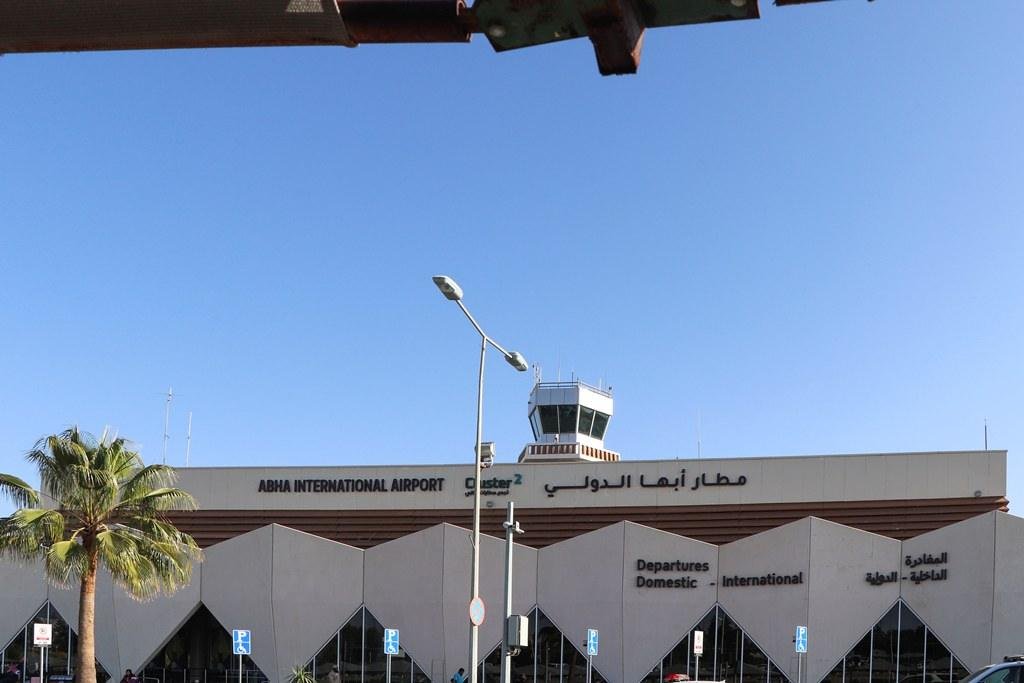
Saudi airport attacks killed three people and injured 36 at two civilian airports on Tuesday and Wednesday, Saudi Arabia’s aviation regulator said. The reported death toll covers separate incidents at Abha International Airport and King Khalid International Airport in Riyadh.
The General Authority of Civil Aviation, or GACA, provided the figures in a statement reported by Saudi Gazette and Anadolu Agency on Oct. 7. The authority said emergency responders attended both sites and that damaged facilities were being assessed before aviation safety decisions were made.
Reports of Saudi airport attacks kept the situation active on Thursday. The Associated Press separately reported renewed explosions in Riyadh, a claim of responsibility by Yemen’s Houthis, and widespread flight disruption. Those later reports should not be folded into Wednesday’s casualty figures without a new official count.
Table of Contents
What GACA Confirmed About the Saudi Airport Attacks
GACA said the Oct. 6 attack on Abha killed two residents, described by the authority as Moroccan and Algerian women, and injured 28 people. Injuries ranged from minor to serious, according to the statement carried by Saudi Gazette. The news organization reported that the wounded included Saudi nationals and foreign residents.
The regulator reported a separate attack on Riyadh’s King Khalid International Airport on Oct. 7. A Sudanese resident was killed and eight people were injured there, including five Saudi citizens, two Egyptian residents and a Pakistani resident, GACA said. Both news outlets reported that the injured were taken for hospital treatment.
The regulator acknowledged material damage at both airports but did not release an independently verified public estimate of repair costs. It said it was coordinating with security and airport authorities to examine the sites, check facility safety and protect passengers and operations. That statement did not establish when normal service would be fully restored.
New Reports of Riyadh Flight Disruption on Thursday
The Associated Press reported another series of explosions in the Saudi capital on Oct. 8, including an apparent blast at or near the international airport described by a witness. The Houthis claimed a new airport strike, but AP said Saudi authorities had not immediately confirmed the group’s account.
AP reported that hundreds of flights involving Riyadh were cancelled and that a witness described passengers being evacuated. The agency also cited an airport-monitoring service reporting a pause in departures and arrivals. These are time-sensitive observations, not proof of the airport’s present operating status for every airline.
The news agency said the Saudi-led coalition reported intercepting missiles directed toward Riyadh and the southwest of the kingdom. Those interception claims are separate from confirmation of the specific mechanism of the damage at either civilian airport. For the Saudi airport attacks, the immediate operational concern is whether aircraft, passengers and ground personnel can move safely.
Why the Attacks Matter for Civil Aviation
Saudi airport attacks at operating international facilities creates problems beyond the immediate damage. Airport operators must inspect passenger facilities, aircraft movement areas and equipment before deciding which areas can safely reopen. Airlines also need reliable airport information to make decisions about diversions, cancellations and crew assignments.
Anadolu reported that the Houthis said they had targeted both Abha and Riyadh. That is the group’s claim of responsibility, not an independent determination of who launched each weapon. GACA’s publicly reported statement focused on injuries, damage and the aviation safety response rather than assigning responsibility for every impact.
The passenger effect can change quickly as airlines respond to airspace restrictions and airport notices. TAD has not independently confirmed individual flight itineraries or current notices for each carrier. Travelers should verify flight status directly with their airline and the airport before beginning a journey.
FAQ: Saudi airport attacks
How many people were killed in the Saudi airport attacks?
GACA reported three deaths in the Oct. 6 and Oct. 7 attacks: two at Abha and one in Riyadh.
Which airports were targeted?
The aviation authority identified Abha International Airport and King Khalid International Airport in Riyadh.
Are flights at Riyadh Airport operating normally?
AP reported serious disruption on Oct. 8, but schedules remain fluid. Check official airport and airline notices before travel.
Looking Ahead
The next confirmed milestones are updated statements from GACA about airport safety and service restoration, and verified airline schedule notices. The Oct. 7 casualty figures should be revised only if authorities release a newer tally. Reports of further attacks warrant a separate dated update rather than assumptions about the original incidents.
Sources
- Saudi Gazette — GACA statement on Abha and Riyadh
- Anadolu — Three killed in Saudi airport attacks
- Associated Press — New Riyadh airport incident