SpaceX orbital data centers received conditional authorization on Nov. 25 when the Federal Communications Commission approved a constellation of up to one million satellites. The project, called Starmind, would put computing hardware in low Earth orbit and use satellite links to move data.
The authorization for SpaceX orbital data centers covers a system whose first deployment deadline is years away. The order sets milestones for putting spacecraft into operation, sets reporting duties, and leaves a request concerning disposal of some spacecraft for a later decision.
Table of Contents
What permission for SpaceX orbital data centers covers
The FCC’s Space Bureau authorized a non-geostationary satellite system. In this kind of constellation the spacecraft move across the sky relative to a point on Earth. Starmind is designed to process data aboard the spacecraft, with optical connections proposed as the main communications path and certain radio frequencies available for backup and emergency functions under the grant.
The scale written into the order is the maximum authorized constellation. The document does not announce an initial launch date or place any hardware in orbit. SpaceX still has to build spacecraft, arrange launches, put the spacecraft into the approved orbits and operate them under the conditions attached to the grant.
When the deployment milestones arrive
The FCC order calls for an initial authorized spacecraft in operation by November 2033. It sets a target of 10 percent of the authorized total by November 2035 and 50 percent by November 2038. The deployment schedule for SpaceX orbital data centers is part of the grant and determines whether SpaceX retains authority for spacecraft it has yet to deploy.
For a reader following the program, the first launch and activation will establish more than the license’s maximum number can. That milestone would show that the program has advanced from a regulatory approval to hardware operating in the assigned orbit.
Why disposal and reporting matter
The order deferred a request from SpaceX for flexibility to dispose of some satellites by placing them in other orbits. The FCC said the application did not provide enough information for it to judge the alternative methods against its requirements. The grant also calls for semiannual reports on matters including spacecraft taken out of operation or screened out of further deployment.
The Associated Press reported that astronomers raised concerns about the scale of the project, including potential effects on ground-based observations. Those concerns and the remaining disposal question will be relevant as the constellation moves through its later regulatory and deployment steps.
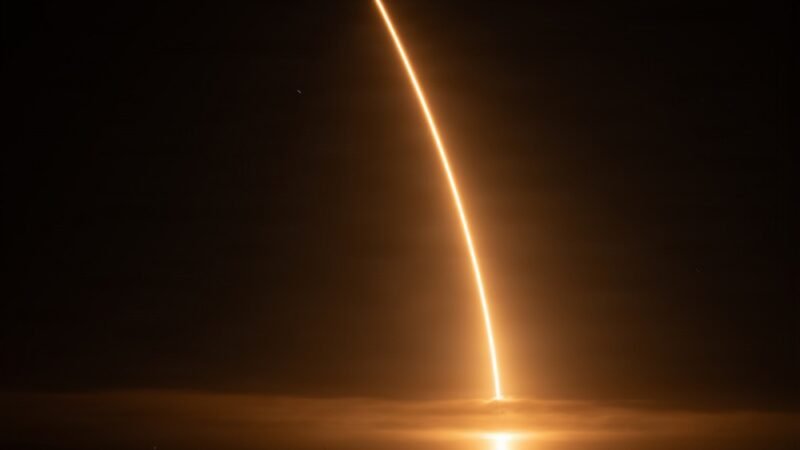
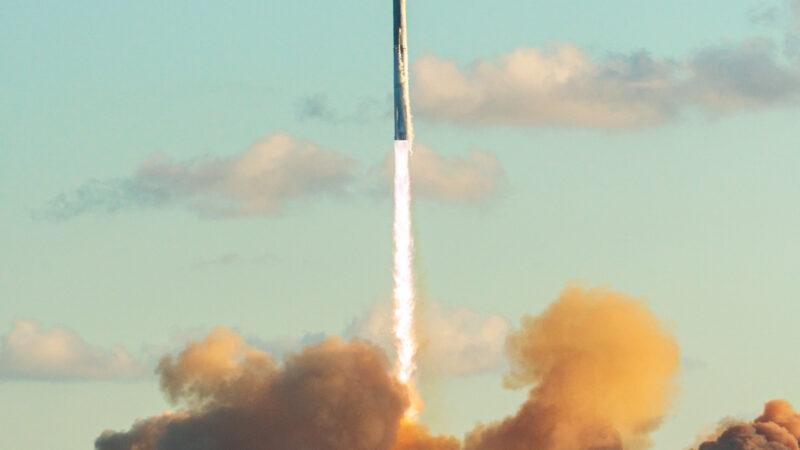
Related coverage from The Aviation Diary includes SpaceX’s recent Falcon 9 launch from Vandenberg.
FAQ: SpaceX orbital data centers
How many satellites could SpaceX orbital data centers use?
The FCC authorized a constellation of up to one million satellites for Starmind, subject to the conditions of the order.
Is Starmind the same as Starlink?
The FCC order identifies Starmind as a separate application for orbital computing. Starlink is the broadband satellite system operated by SpaceX.
When is the first spacecraft due to operate?
The initial deployment milestone in the authorization is November 2033. The order does not set a specific launch day.
Looking Ahead
Watch for a spacecraft design, a named launch mission and any FCC decision on the deferred disposal request. The first Starmind spacecraft operating in its assigned orbit would establish that deployment has begun.
Sources
- FCC Space Bureau Starmind authorization, DA 26-1273
- Associated Press on authorization and astronomy concerns
Feature photo by Gwendolyn Kurzen / U.S. Space Force (U.S. public domain).
Related profiles