Canada F-35 review is still unresolved as Saab presses Ottawa to consider building Gripen fighters in Canada alongside a planned fleet of U.S.-made F-35As. Saab chief executive Micael Johansson discussed the mixed-fleet proposal during the Swedish manufacturer’s Oct. 23, 2026, earnings call.
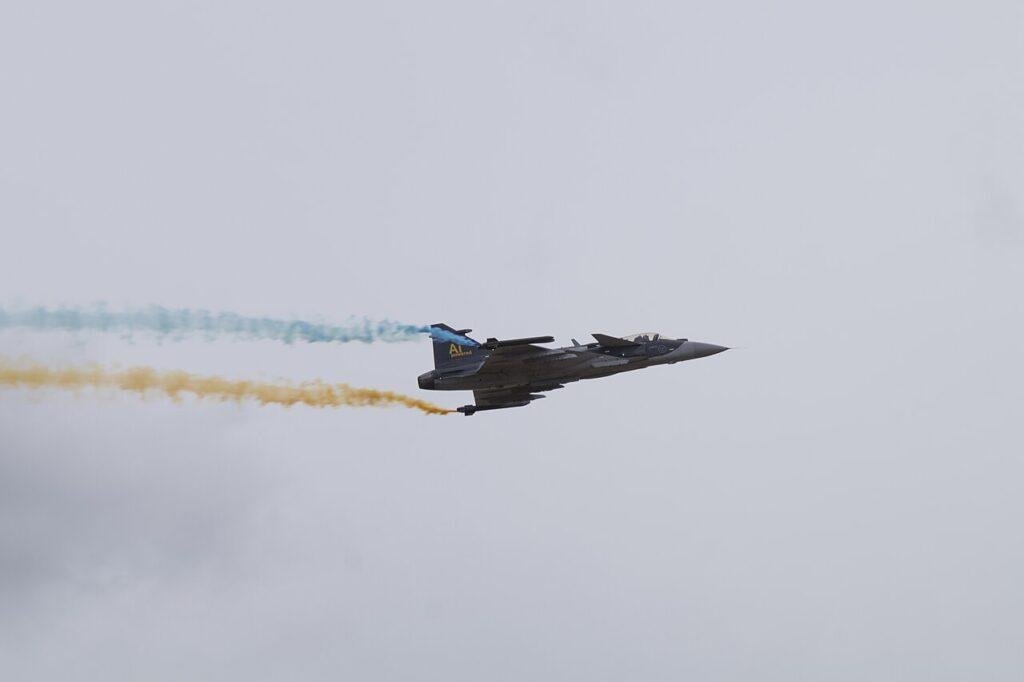
Johansson described Gripen as a potential source of additional combat aircraft and dispersed-base flexibility. He also outlined the industrial case for a Canadian manufacturing hub. Neither the proposal nor the government’s continuing evaluation constitutes a Canadian purchase of Gripen aircraft.
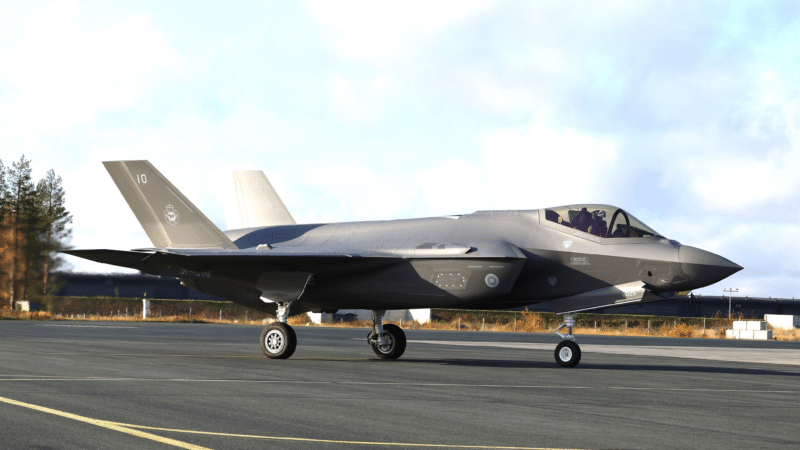
Canada has committed to an initial 16 F-35As while reviewing the broader fighter procurement. The original acquisition program covers 88 aircraft. Its central question is how to replace aging CF-18s while balancing military capability, industrial participation, sovereignty and long-term affordability.
Table of Contents
Canada F-35 Review and the Saab Proposal
At the October 23 earnings call, Johansson said Saab was campaigning for a dual fleet in which Gripen would complement, rather than simply replace, F-35s. He identified locally based manufacturing as a principal part of the company’s offer.
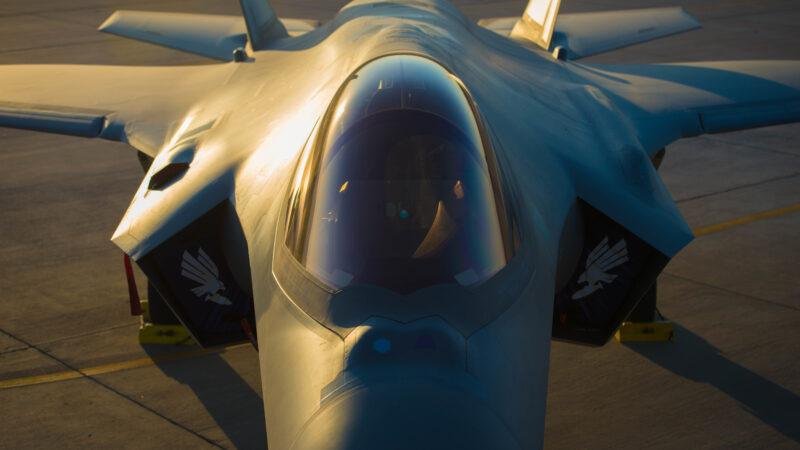
The proposed split would involve aircraft with different characteristics. Gripen is marketed for flexible operations from dispersed locations, while the F-35 offers stealth characteristics and a multinational support structure. Those claims describe a proposed force mix, not an operational judgment issued by the Canadian government.
Saab also discussed separate Canadian negotiations involving GlobalEye surveillance aircraft. Its chief executive said a term sheet had been signed covering the framework for possible negotiations on six such aircraft. That discussion must not be confused with a Gripen purchase or Canada’s existing F-35 agreements.
Johansson said a political decision was still necessary and that he intended to attend an aerospace conference in Canada the following week. No date for a Canadian fighter-choice announcement was supplied in the call.
What Ottawa Has Already Committed to
Canada’s Future Fighter Capability Project remains in the implementation phase. Government materials say the initial aircraft are intended to support Canadian pilot training at Luke Air Force Base in Arizona before fighters begin arriving in Canada.
National Defence has publicly confirmed an initial tranche of 16 F-35As under the procurement arrangement. The broader program originally contemplated 88 jets. A procurement review does not by itself revoke the initial commitment, and there has been no official announcement accepting Saab’s alternative.
The department’s published milestones place first aircraft delivery in the United States in 2026, with the first arrival in Canada expected in 2028. Initial operational capability is planned later in the decade, although such milestones remain subject to implementation and readiness.
The larger decision also affects infrastructure at Cold Lake, Alberta, and Bagotville, Quebec, alongside maintenance, training and industrial participation. Those investments explain why a change in fleet mix would involve more than a straightforward comparison of aircraft purchase prices.
What the Debate Means for Canadian Aerospace
Saab’s proposal puts domestic production and national control at the center of its sales pitch. A local assembly and support operation could bring industrial work, but the company has not demonstrated that Canada has approved a factory, ordered any Gripens or defined an exact split between aircraft types.
Canadian suppliers are already integrated into the international F-35 supply chain. Ottawa has cited industrial participation as one factor in reviewing the program, alongside defense requirements and international partnerships. Benefits attributed to competing offers should therefore be tested against actual contracts, costs and delivery schedules.
TAD has separately reported on a U.S. F-35 production framework; that American program is distinct from the Canadian procurement review and does not indicate a new decision in Ottawa.
Until the government sets out its choice, claims that Canada has canceled 88 fighters or signed a mixed-fleet Gripen deal overstate the available evidence. The fresh news is Saab’s renewed advocacy, not a change to Canadian procurement authority.
FAQ: Canada F-35 review
Has the Canada F-35 review canceled the order?
No. Canada has confirmed a commitment to the initial 16 F-35As while its wider procurement remains under review.
Has Canada bought Saab Gripen fighters?
No. Saab has outlined a proposal and manufacturing concept, but no Canadian Gripen acquisition was announced on October 23.
When are Canadian F-35s expected in Canada?
Canadian government planning identifies 2028 for the first arrivals in Canada, following earlier aircraft deliveries for pilot training in the United States.
Looking Ahead
Canada F-35 review will continue until Ottawa publishes a procurement decision or revised fleet plan. Saab expects further discussions, but the timing and eventual aircraft mix remain unannounced.
Sources